
Table of Contents
ToggleIf you’ve ever thought about upgrading your home’s lighting control, a GE smart light switch deserves serious consideration. Unlike smart bulbs that require special fixtures, these switches work with your existing lamps and ceiling fixtures, making them a practical entry point into home automation. With direct wall control, mobile app access, and integration into smart home ecosystems, GE smart light switches blend convenience with the simplicity of a traditional switch. This guide covers everything homeowners need to know about installation, compatibility, and whether the investment makes sense for their space.
Key Takeaways
- GE smart light switches work with existing lamps and fixtures without requiring special bulbs, making them an accessible entry point into home automation that outperforms traditional switches.
- A neutral wire at the switch location is non-negotiable for installation; older homes may need professional wiring, so verify your electrical setup before purchasing a GE smart light switch.
- Remote control, scheduling, and integration with Alexa, Google Home, and Apple Home enable automation routines like setting lights to turn on at sunset or simulating occupancy while traveling.
- Energy savings of 10–15% annually on lighting costs are achievable through automated schedules in high-traffic areas, with payback periods typically ranging from 2–5 years depending on your electricity rates.
- At $30–$60 per switch plus potential labor costs, GE smart light switches cost significantly more upfront than standard switches, but convenience features and compatibility with major smart home ecosystems justify the investment for most homeowners.
- Connectivity issues are the most common problem; restarting your router, checking Wi-Fi signal strength, or adding a mesh network can restore responsive smart switch performance.
What Is a GE Smart Light Switch?
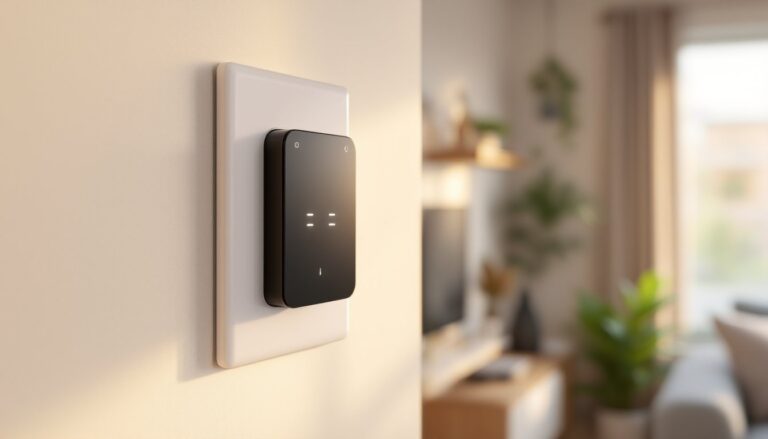
A GE smart light switch replaces your standard wall switch and connects to your home’s Wi-Fi network, allowing remote control of lights via smartphone, voice commands, or automation routines. Unlike a traditional dimmer or standard switch, it communicates with a central hub or directly with your network, enabling scheduling, away modes, and integration with other smart home devices.
GE manufactures smart switches under its Cync brand (formerly C by GE). These switches control regular incandescent, LED, and CFL bulbs without requiring special smart bulbs, a major advantage over dedicated smart bulbs. You flip the physical switch as always, but you also gain the ability to turn lights on or off from anywhere, set timers, or trigger scenes based on other smart home events.
The switches come in two main types: on/off models and dimmer models. On/off switches are basic and affordable: dimmers add brightness control and usually cost slightly more. Both require a neutral wire at the switch location, this is critical for installation feasibility. Most modern homes have neutral wires, but older homes sometimes don’t, which can complicate or prevent installation.
How GE Smart Light Switches Compare to Standard Switches
A standard switch is purely mechanical: flip up for on, flip down for off. There’s no learning curve and no network dependency. The trade-off is zero flexibility. You can’t control lights remotely, set schedules, or link them to other home automation tasks.
Smart switches add those capabilities but introduce complexity. They require Wi-Fi connectivity, a hub (depending on the model), and a smartphone app or voice assistant integration. If your Wi-Fi drops, you lose remote control, though the physical switch still works locally. Installation is more involved and may demand a permit in some jurisdictions, especially for structural or load-bearing considerations.
Budget matters too. A standard switch costs $1–$3. A GE smart switch runs $30–$60 depending on features. Over a home with 20 switches, that’s a substantial upfront cost. But, many homeowners find the convenience and energy-saving potential worthwhile. Smart scheduling can reduce wasted lighting in unused rooms, and away modes simulate occupancy when you’re traveling.
For a fair comparison, consider that smart home tech ecosystems reward standardization, once you’ve chosen a platform, adding more smart switches becomes seamless. GE switches play well with Alexa, Google Home, and Apple Home, making them adaptable to evolving preferences.
Installation and Compatibility Considerations
Before buying, confirm your home has the necessary infrastructure. Neutral wires are non-negotiable. In the electrical panel, the neutral is the white wire: in a switch box, it’s often bundled at the back. If you’re unsure, turn off the breaker and carefully inspect the junction box. A licensed electrician can verify for you if you’re hesitant.
GE smart switches also require a neutral wire within reach at the switch location, it can’t be run through another part of the box. If your switch box is too tight or lacks a neutral, you may need a professional to add wiring. This is a building code consideration, and some jurisdictions require permits for any switch upgrades.
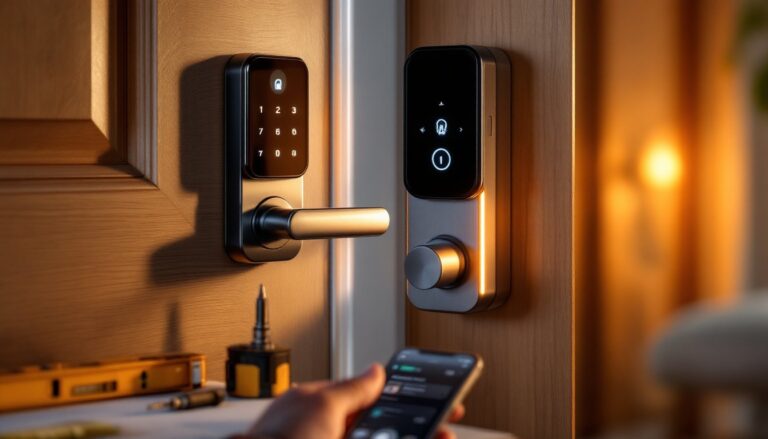
For the physical swap, turn off power at the breaker, remove the old switch, and disconnect the load wires (typically black for hot, white for neutral, and bare copper for ground). Connect these to the GE switch following the diagram supplied, then secure it in the box and attach the cover plate. Most GE smart switches are standard electrical width, so they fit existing fixtures without modification.
Hub requirements vary. Some GE Cync switches work directly with Wi-Fi: others need a hub for full functionality. Check product specs before purchasing. Older homes with thick walls or poor Wi-Fi coverage may benefit from a hub’s extended range.
Interoperability is another layer. GE switches support smart home tech guide platforms including Amazon Alexa, Google Assistant, and Apple Home. Ensure the switch you choose is compatible with your existing ecosystem before committing. This prevents frustration during setup.
Smart Home Integration and Control Options
Once installed, a GE smart switch integrates into routines and automation. With Alexa, you can say “Alexa, turn on the bedroom lights” or create a scene like “Goodnight” that dims all lights to 20% and locks doors simultaneously. Google Home and Apple Home offer similar capabilities with slightly different naming conventions and automation logic.
Scheduling is powerful. Set lights to turn on at sunset or off at 11 p.m., adjust brightness based on time of day, or create an “away mode” that randomly triggers lights to simulate occupancy while you’re on vacation. These routines run locally on many platforms, so they work even if your internet drops.
Dimmers add another dimension. Instead of simple on/off, dimmers let you set brightness from 1% to 100%, useful for creating ambiance or reducing energy use in bright spaces. Voice commands like “Alexa, set the living room to 50%” work seamlessly.
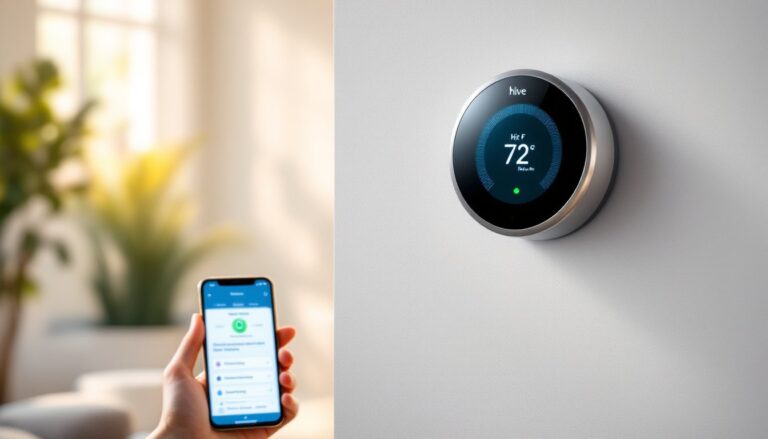
Remote access is the headline feature. Use the Cync app (or Alexa/Google apps) to control lights from anywhere with an internet connection. This is handy for toggling off forgotten lights while away or prewarmingly lighting your home before arrival. The uptime and latency depend on your internet speed and router quality, don’t expect instant response on slow connections.
Integration with smart home tech to modernize your living space expands possibilities further. Couple GE switches with motion sensors, door locks, thermostats, and cameras for truly automated living. For example, lights turn on when the front door unlocks, or dim when your security camera detects motion at dusk.
Cost-Benefit Analysis for Homeowners
The upfront cost of GE smart switches is higher than traditional switches, but the long-term value depends on your priorities and electricity rates. A single switch costs $30–$60, plus any installation labor if you hire an electrician. Installing 10 switches yourself is a weekend project: hiring someone typically runs $50–$100 per switch in labor.
Energy savings come from two sources: automated schedules that prevent lights running in empty rooms, and dimmers that reduce brightness in naturally lit spaces. A typical household might save 10–15% on lighting electricity annually by automating common-use areas like hallways, bathrooms, and bedrooms. At average U.S. rates ($0.14 per kWh), this might translate to $20–$40 yearly per switch. Payback periods stretch to 2–5 years depending on local rates and automation discipline.
There’s also convenience value, which is harder to quantify. Not fumbling for switches in the dark, controlling lights from bed, or having lights greet you upon arrival has intrinsic appeal. Many homeowners find this alone justifies the cost.
Budget-conscious approaches start small. Pick high-traffic areas, bedroom, kitchen, entryway, and expand later. Rental situations are trickier: you’ll want landlord permission, and your return diminishes since you can’t take switches when you leave.
Compare with competitors using best smart switches reviews to ensure GE’s pricing and features align with alternatives. Lutron, Kasa, and other brands offer similar switches at varying price points. GE’s integration with major voice platforms and its reliable track record make it a solid choice without always being the cheapest option.
Common Troubleshooting and Maintenance Tips
The most frequent issue is connectivity loss. If a switch becomes unresponsive in the app, restart your router and the switch itself (turn the breaker off for 30 seconds, then back on). Weak Wi-Fi signals in distant rooms can cause dropouts: moving your router closer, adding a mesh network, or using the Cync hub can improve range.
App crashes or slow response times often stem from router congestion or outdated firmware. Check the Cync app for updates and ensure your phone’s OS is current. If the app consistently lags, your router may be overloaded: moving less-critical devices (streaming boxes, printers) to a guest network can help.
Physical switches sometimes get stuck or unresponsive. This is rare but check that the switch is fully seated in its electrical box and that the cover plate isn’t pinching wires. If a dimmer flickers at certain brightness levels, it might be incompatible with your bulb type (LED dimmers are pickier than incandescent ones). Try different bulbs or adjust the dimmer’s min/max settings in the app.
Maintenance is minimal. These are passive devices with no moving parts except the switch lever. Dust occasionally with a dry cloth. If you repaint a room, remove the cover plate first to avoid paint smudges on the switch face.
Long-term reliability is solid: GE switches typically last 10+ years with no intervention. But, if you plan major home renovations or rewiring, inform contractors so they don’t accidentally upgrade or remove your smart switches. A licensed electrician familiar with smart home tech can also help troubleshoot complex issues.
Conclusion
GE smart light switches are a practical, reliable step into home automation that doesn’t require ripping out fixtures or installing special bulbs. They work with your existing infrastructure, integrate with popular voice assistants, and offer genuine energy-saving and convenience benefits. Installation is straightforward for handy homeowners but requires a neutral wire and attention to electrical safety. While the upfront cost is higher than traditional switches, the combination of savings and lifestyle improvements makes them worthwhile for most homes. Start small, explore top smart home tech upgrades, and expand as your comfort grows.