Table of Contents
ToggleSmart home tech has changed how people interact with their living spaces. Voice commands now control lights, thermostats adjust automatically, and security cameras send alerts directly to smartphones. This technology isn’t just for tech enthusiasts anymore, it’s become accessible and affordable for everyday homeowners.
This guide covers everything needed to understand and adopt smart home automation. Readers will learn what smart home technology actually means, which devices offer the best value, and how to start building a connected home from scratch. Whether someone wants to save money on energy bills or simply enjoy the convenience of automated routines, smart home tech delivers practical solutions.
Key Takeaways
- Smart home tech connects devices to the internet, enabling remote control and automation through voice assistants like Alexa, Google Assistant, or Siri.
- Start small with a smart speaker and a few smart bulbs to learn how the technology works before expanding your setup.
- Smart thermostats can reduce energy bills by 10-15%, often paying for themselves within one to two years.
- Choose one ecosystem (Amazon, Google, or Apple) as your foundation and prioritize devices that support multiple platforms for flexibility.
- A strong Wi-Fi network is essential—consider a mesh system to eliminate dead zones that disrupt smart device performance.
- Smart home features enhance security, convenience, and accessibility while potentially increasing your property value.
What Is Smart Home Technology?
Smart home technology refers to devices and systems that connect to the internet and communicate with each other. These devices can be controlled remotely through smartphones, tablets, or voice assistants like Amazon Alexa, Google Assistant, or Apple Siri.
At its core, smart home tech relies on three components: the devices themselves, a wireless network (usually Wi-Fi or Zigbee), and a central hub or app that manages everything. Some devices work independently, while others require a dedicated hub to function.
The “smart” part comes from automation capabilities. A smart thermostat doesn’t just let users adjust temperature remotely, it learns patterns and adjusts settings automatically. A smart doorbell doesn’t just show who’s at the door, it recognizes familiar faces and sends specific alerts.
Smart home technology has grown significantly over the past decade. According to recent industry data, over 60% of US households now own at least one smart device. The market continues to expand as prices drop and compatibility improves between different brands and ecosystems.
Essential Smart Home Devices to Consider
Building a smart home starts with choosing the right devices. Here are the most popular categories worth considering:
Smart Speakers and Displays
Smart speakers serve as the control center for many smart home setups. Amazon Echo, Google Nest, and Apple HomePod devices respond to voice commands and control other connected devices. Smart displays add visual feedback, showing camera feeds, recipes, or video calls.
Smart Lighting
Smart bulbs and switches offer immediate value. Products from Philips Hue, LIFX, and Wyze let users control brightness, color, and scheduling. Motion sensors can trigger lights automatically, and routines can simulate occupancy while homeowners travel.
Smart Thermostats
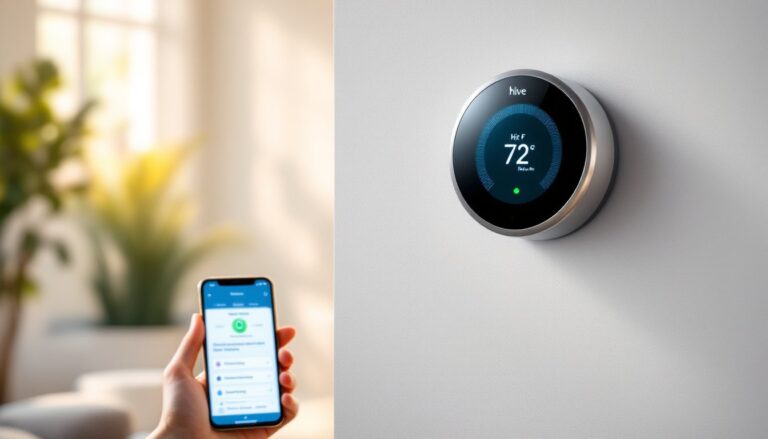
Devices like Nest, Ecobee, and Honeywell smart thermostats learn household patterns and optimize heating and cooling. Most users report energy savings of 10-15% after installation. These devices pay for themselves within a year or two.
Smart Security
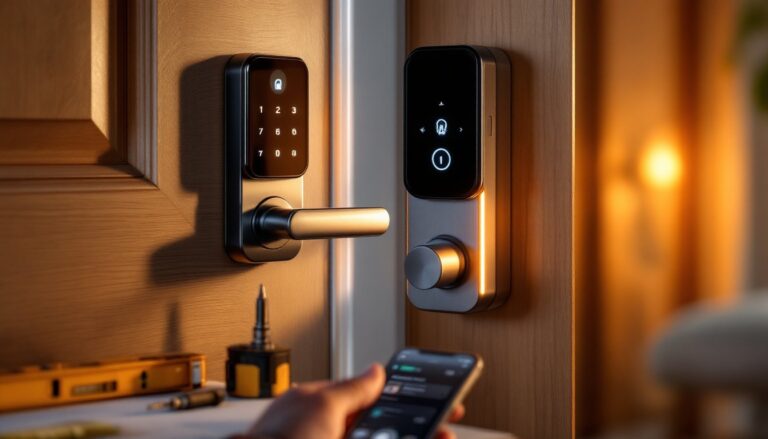
Video doorbells, security cameras, and smart locks form the backbone of home security. Ring, Arlo, and Eufy offer reliable options at various price points. Smart locks from August, Schlage, and Yale eliminate the need for physical keys.
Smart Plugs and Outlets
Smart plugs convert ordinary devices into smart ones. They’re perfect for lamps, fans, or coffee makers. Users can set schedules, monitor energy usage, and control devices remotely, all for under $20 per plug.
Benefits of a Connected Home
Smart home tech delivers real, measurable benefits that extend beyond convenience.
Energy Savings
Automated systems reduce waste. Smart thermostats prevent heating or cooling empty rooms. Smart lighting turns off automatically when spaces are unoccupied. Some homeowners report annual savings of $100-200 on utility bills.
Enhanced Security
Connected security devices provide peace of mind. Homeowners receive instant alerts when motion is detected or doors open unexpectedly. Remote monitoring allows checking on the home from anywhere. Smart locks create temporary access codes for guests or service workers.
Convenience and Comfort
Voice commands eliminate the need to walk across the room to flip a switch. Automated routines handle repetitive tasks, lights dimming at bedtime, coffee starting at 6 AM, the garage door closing at sunset. These small conveniences add up.
Accessibility
Smart home tech particularly benefits people with mobility challenges or disabilities. Voice control removes physical barriers. Automated systems reduce the need for manual adjustments throughout the day.
Home Value
Smart home features can increase property value. Real estate studies suggest homes with smart technology sell faster and often command higher prices. Buyers increasingly expect modern homes to include these features.
How to Get Started with Smart Home Automation
Starting a smart home doesn’t require a massive investment or technical expertise. Follow these steps for a smooth setup.
Choose an Ecosystem
Pick a primary voice assistant: Amazon Alexa, Google Assistant, or Apple HomeKit. Each has strengths. Alexa offers the widest device compatibility. Google integrates well with Android phones and Google services. Apple HomeKit provides strong privacy controls but fewer compatible devices.
Start Small
Begin with one or two devices. A smart speaker and a few smart bulbs make an excellent starting point. This approach lets users learn how smart home tech works before expanding.
Ensure Strong Wi-Fi
Smart devices depend on reliable internet connections. Consider a mesh Wi-Fi system if the existing router struggles with coverage. Dead zones frustrate smart home users more than anything else.
Plan for Compatibility
Check device compatibility before purchasing. Look for products that support multiple ecosystems. Standards like Matter (released in 2022) are improving cross-platform compatibility, making it easier to mix devices from different manufacturers.
Build Gradually
Add devices over time based on actual needs. Focus on areas that deliver the most value: entry points for security, high-traffic areas for lighting, and the main living space for climate control. Most successful smart homes grow organically rather than being built all at once.