Table of Contents
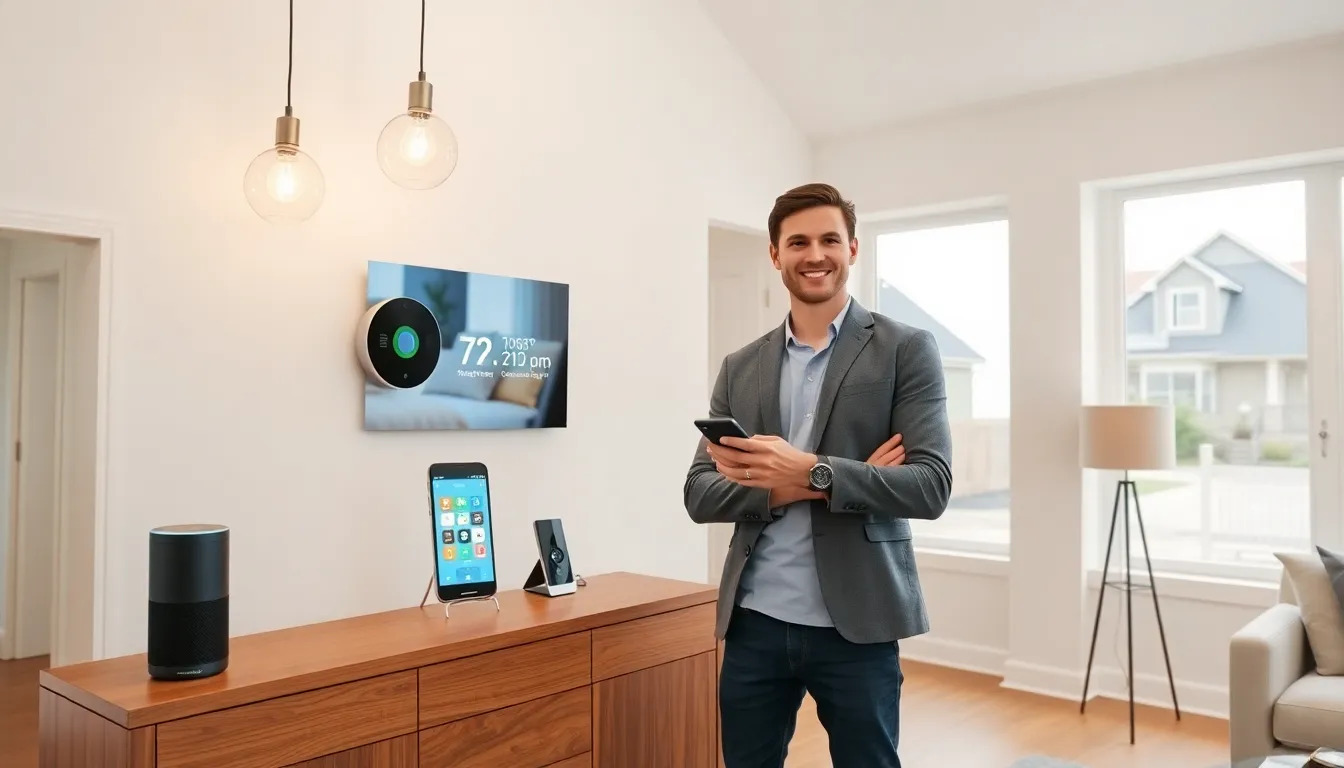
ToggleSmart home tech transforms ordinary houses into connected, efficient living spaces. Homeowners can control lights, thermostats, locks, and appliances from a smartphone or voice command. The global smart home market reached $121 billion in 2024, and that number keeps climbing. But where does a beginner actually start?
This guide breaks down smart home tech into simple steps. Readers will learn about ecosystems, essential devices, setup processes, and expansion strategies. Whether someone wants to save energy, boost security, or just turn off lights without leaving the couch, smart home tech delivers real benefits. Here’s how to get started.
Key Takeaways
- Smart home tech connects devices like lights, thermostats, and locks to the internet for smartphone or voice control.
- Choose one ecosystem early—Amazon Alexa, Google Home, or Apple HomeKit—to ensure seamless device compatibility.
- Start with affordable, high-impact devices like smart speakers, plugs, and bulbs before expanding to security and climate control.
- Smart thermostats can reduce energy bills by 10-15% and typically pay for themselves within two years.
- Expand your smart home tech gradually, watch for sales, and always prioritize security with strong passwords and firmware updates.
- Create routines to automate multiple actions with a single command, such as locking doors and dimming lights at bedtime.
Understanding Smart Home Basics
Smart home tech refers to devices that connect to the internet and communicate with each other. These devices respond to commands from smartphones, tablets, or voice assistants like Alexa, Google Assistant, or Siri.
At its core, smart home tech operates through three components:
- Smart devices: Physical products like bulbs, thermostats, cameras, and speakers
- A hub or controller: The central system that manages device communication
- An app or voice assistant: The interface users interact with daily
Some smart home tech works independently. A smart plug, for example, connects directly to Wi-Fi and doesn’t need a separate hub. Other devices require a hub to function, Zigbee and Z-Wave products fall into this category.
Wi-Fi, Bluetooth, Zigbee, and Z-Wave are the main communication protocols in smart home tech. Wi-Fi devices connect directly to a home router. Zigbee and Z-Wave use mesh networks, meaning each device strengthens the overall signal. This matters in larger homes where Wi-Fi signals weaken over distance.
Understanding these basics helps beginners make smarter purchasing decisions. A buyer who knows their home’s Wi-Fi coverage can choose products that won’t drop connections. Someone planning a large smart home tech setup might prefer Zigbee devices for better reliability.
Choosing the Right Smart Home Ecosystem
An ecosystem determines which devices work together seamlessly. The three major ecosystems in smart home tech are Amazon Alexa, Google Home, and Apple HomeKit.
Amazon Alexa offers the widest device compatibility. Thousands of products work with Alexa, making it easy to find budget-friendly options. Echo speakers serve as the primary interface, and the Alexa app provides centralized control.
Google Home excels at answering questions and integrating with Google services. Users with Gmail, Google Calendar, and Nest products find this ecosystem convenient. Google Assistant handles natural language well, so commands feel conversational.
Apple HomeKit prioritizes privacy and security. Apple reviews every HomeKit-compatible device before approval. The ecosystem works best for households already invested in iPhones, iPads, and Macs. Device selection is smaller, but quality tends to be consistent.
How does someone choose? Consider these factors:
- Existing devices: iPhone users lean toward HomeKit. Android users often prefer Google Home.
- Budget: Alexa-compatible devices span every price point.
- Privacy concerns: Apple’s strict standards appeal to privacy-focused buyers.
Committing to one ecosystem early prevents headaches later. Mixing ecosystems creates gaps in automation and control. A user can’t easily create routines across Alexa and HomeKit, for instance.
Smart home tech works best when devices speak the same language. Pick an ecosystem, then build around it.
Essential Smart Home Devices for Beginners
Beginners should start with affordable, high-impact devices. These five categories offer the best entry points into smart home tech.
Smart Speakers and Displays
A smart speaker acts as the command center. Amazon Echo, Google Nest Audio, and Apple HomePod Mini all serve this purpose. Users issue voice commands to control other devices, play music, set timers, and get weather updates. Smart displays like the Echo Show add screens for video calls and camera feeds.
Smart Lighting
Smart bulbs deliver immediate satisfaction. Philips Hue, Wyze, and LIFX produce popular options. Users can dim lights, change colors, and schedule on/off times. Smart light switches offer an alternative, they control existing bulbs and work even when someone flips the physical switch.
Smart Plugs
Smart plugs turn ordinary devices into smart ones. Plug in a lamp, fan, or coffee maker, then control it remotely. These cost between $10 and $25, making them perfect for testing smart home tech without major investment.
Smart Thermostats
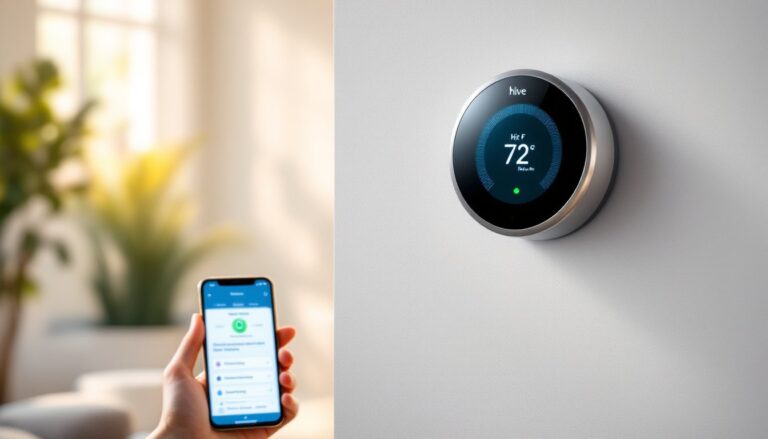
Nest, Ecobee, and Honeywell produce thermostats that learn household patterns. These devices adjust temperatures automatically, reducing energy bills by 10-15% according to manufacturer estimates. Smart thermostats pay for themselves within two years for most households.
Smart Locks and Doorbells
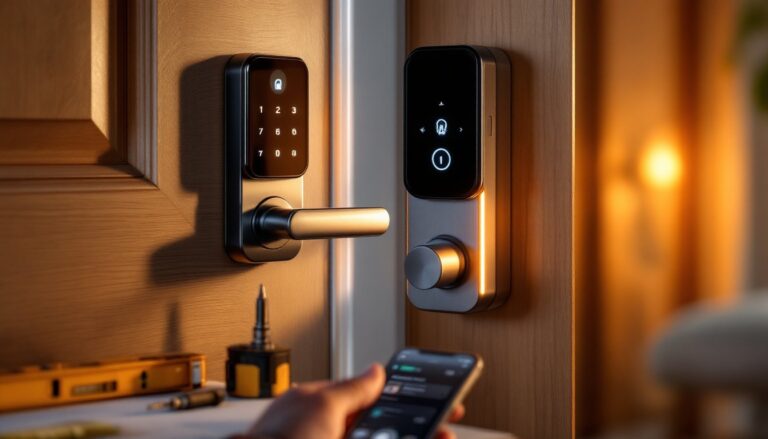
Security upgrades attract many smart home tech beginners. Video doorbells from Ring, Nest, and Eufy show visitors remotely. Smart locks from August, Schlage, and Yale eliminate the need for physical keys. Homeowners can grant temporary access codes to guests or service workers.
Setting Up Your First Smart Devices
Setup processes vary by device, but most follow similar steps. Here’s a general approach to installing smart home tech.
Step 1: Download the app
Every smart device has a companion app. Download it before unboxing the product. The app guides users through setup and serves as the main control interface.
Step 2: Create an account
Most smart home tech requires account registration. Use a strong password and enable two-factor authentication when available. This protects devices from unauthorized access.
Step 3: Connect to Wi-Fi
Devices need a stable internet connection. Position the device within good range of the router during initial setup. The app will prompt users to enter their Wi-Fi password.
Step 4: Update firmware
New devices often ship with outdated software. Run any available updates immediately. Firmware updates fix bugs and close security vulnerabilities.
Step 5: Link to voice assistant
Connect the device to Alexa, Google Assistant, or Siri. This enables voice control and allows the device to participate in automations with other smart home tech.
Step 6: Create routines
Routines automate multiple actions with one command. A “Goodnight” routine might lock doors, turn off lights, and lower the thermostat. Start with simple routines and add complexity over time.
Troubleshooting tips:
- Restart the device if it won’t connect
- Move closer to the router during setup
- Check that the device supports 2.4GHz Wi-Fi (many don’t work on 5GHz)
- Contact customer support if problems persist
Tips for Expanding Your Smart Home Over Time
Smart home tech grows best gradually. Rushing leads to compatibility issues and wasted money. These strategies help users expand thoughtfully.
Add one category at a time
Master lighting before adding security devices. Understand thermostats before installing motorized blinds. This approach builds confidence and prevents overwhelm.
Watch for sales
Prime Day, Black Friday, and holiday sales cut smart home tech prices significantly. Patience saves money. A $200 smart thermostat might drop to $130 during promotional periods.
Read reviews before buying
Not all smart devices perform equally. Check reviews on Amazon, Reddit, and tech sites like The Verge or CNET. Look for comments about reliability, app quality, and customer support.
Consider a hub for advanced setups
Users with 15+ devices benefit from dedicated hubs like SmartThings or Hubitat. These hubs unify control and enable complex automations that basic apps can’t handle.
Plan for power outages
Smart locks should have physical key backups. Smart thermostats need manual override options. Don’t rely entirely on smart home tech for essential functions.
Prioritize security
Every connected device is a potential entry point for hackers. Use unique passwords for each account. Keep firmware updated. Consider a separate Wi-Fi network for smart home tech.
Document your setup
Keep a list of devices, accounts, and passwords. When something breaks, and eventually something will, documentation speeds up troubleshooting.