Table of Contents
ToggleTop smart home tech has changed how people interact with their living spaces. From voice-controlled assistants to automated lighting, these devices offer convenience, security, and energy savings. The smart home market continues to grow as more households adopt connected devices. In 2024, over 60% of U.S. homes had at least one smart device installed.
This guide covers the best smart home tech categories available today. Whether someone wants to control their lights with a voice command or monitor their home remotely, there’s a solution for every need and budget. These devices work together to create a connected home that responds to daily routines and preferences.
Key Takeaways
- Smart speakers from Amazon, Google, and Apple serve as the command center for controlling other smart home tech throughout your house.
- Smart lighting systems like Philips Hue and LIFX let you customize brightness, colors, and schedules while reducing energy consumption.
- Video doorbells, security cameras, and smart locks provide remote monitoring and protection for your property from anywhere.
- Smart thermostats can save homeowners 10-15% on heating and cooling costs by learning household patterns and adjusting automatically.
- The Matter protocol is the newest standard that allows top smart home tech devices from different brands to communicate seamlessly across ecosystems.
- Choose a smart home hub or ecosystem based on your existing devices—Android users may prefer Google, while iPhone owners often benefit from Apple HomeKit.
Smart Speakers and Voice Assistants
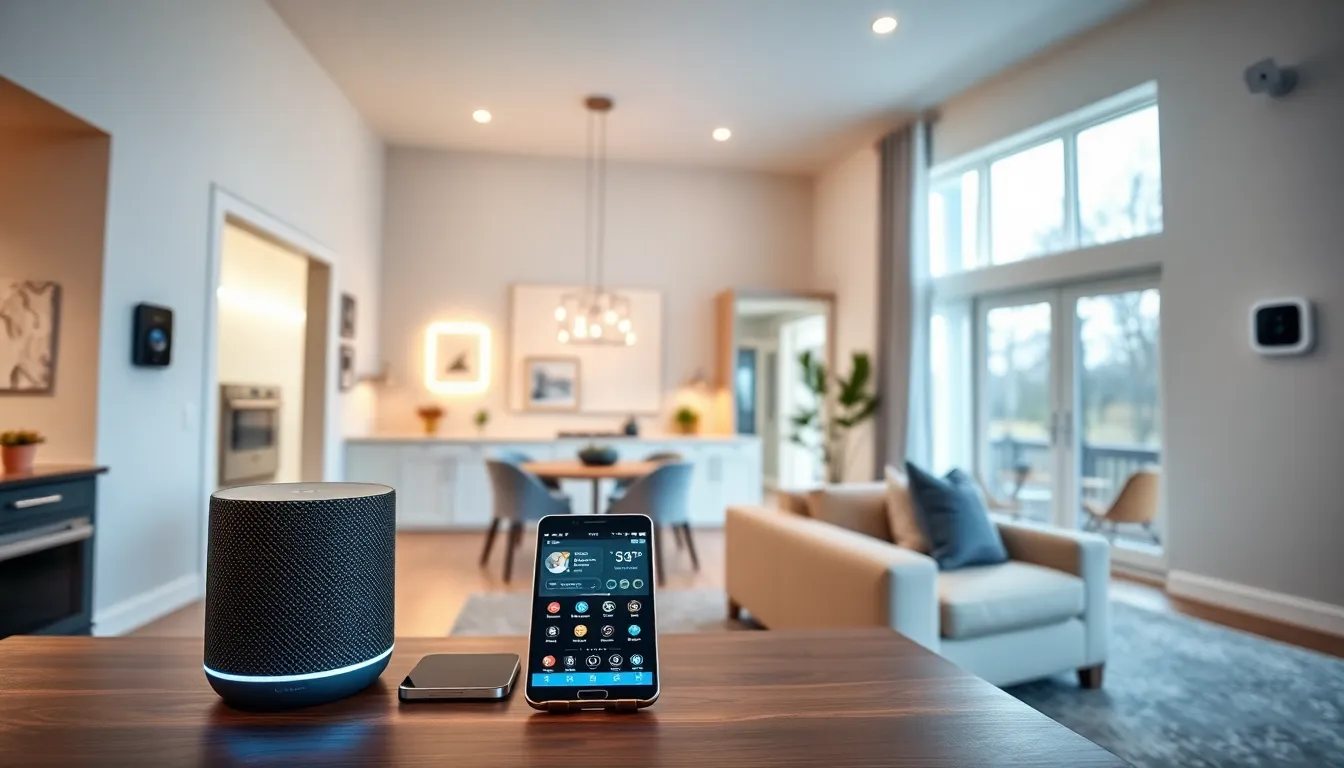
Smart speakers serve as the command center for many connected homes. These devices respond to voice commands and control other smart home tech throughout the house. Amazon Echo, Google Nest, and Apple HomePod lead this category.
Amazon’s Echo devices use Alexa as their voice assistant. They can play music, answer questions, set timers, and control compatible smart devices. The Echo Dot offers an affordable entry point, while the Echo Studio delivers premium sound quality.
Google Nest speakers run on Google Assistant. They excel at answering complex questions and integrating with Google services like Calendar and Photos. The Nest Audio provides solid sound for music, and the Nest Hub adds a touchscreen display.
Apple HomePod works best within the Apple ecosystem. It uses Siri for voice control and offers excellent audio quality. The HomePod mini provides a budget-friendly option for Apple users who want smart home tech integration.
When choosing a smart speaker, consider which ecosystem matches existing devices. Someone with Android phones might prefer Google, while iPhone users often lean toward Apple. All three platforms support major smart home tech brands and protocols.
Smart Lighting Systems
Smart lighting gives homeowners control over brightness, color, and scheduling. These systems reduce energy consumption and create custom atmospheres for different activities. Philips Hue, LIFX, and Wyze offer popular options at various price points.
Philips Hue remains the most established smart lighting brand. Their bulbs, light strips, and fixtures connect through a dedicated hub. The system supports millions of colors and integrates with all major voice assistants. Hue’s starter kits provide everything needed to begin.
LIFX bulbs connect directly to Wi-Fi without requiring a hub. This makes setup simple for those new to smart home tech. Each bulb produces vibrant colors and responds quickly to commands. The higher price per bulb balances against the lack of additional hardware.
Wyze offers budget-friendly smart bulbs that deliver solid performance. They work with Alexa and Google Assistant. While they lack some advanced features of premium brands, they provide good value for basic smart lighting needs.
Smart switches represent another approach to connected lighting. Lutron Caseta and TP-Link Kasa switches replace traditional wall switches. They control existing bulbs and don’t require special smart bulbs in each fixture. This approach often costs less for whole-home smart home tech lighting.
Smart Security Devices
Smart security devices help protect homes and provide peace of mind. Video doorbells, security cameras, and smart locks let homeowners monitor and secure their property from anywhere.
Ring and Nest dominate the video doorbell market. Ring doorbells capture video when someone approaches and allow two-way communication. Nest Hello (now Google Nest Doorbell) offers similar features with Google Assistant integration. Both store footage in the cloud, though subscription fees apply for extended storage.
Indoor and outdoor security cameras have become essential smart home tech. Arlo cameras offer wireless installation and weather resistance. Eufy cameras store footage locally, avoiding monthly fees. Blink cameras provide affordable options with long battery life.
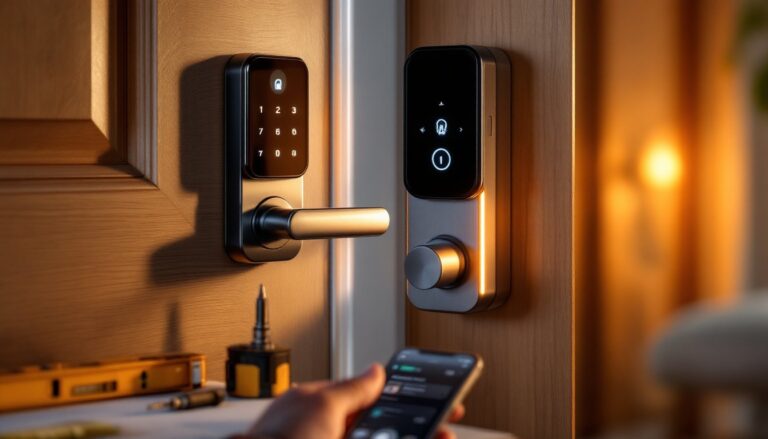
Smart locks eliminate the need for physical keys. August, Schlage, and Yale make popular models. These locks connect to smartphones and allow remote locking and unlocking. Many generate temporary codes for guests or service providers. Some models work with existing deadbolts, making installation straightforward.
Complete security systems from SimpliSafe and Ring Alarm combine multiple sensors and devices. They monitor doors, windows, and motion throughout the home. Professional monitoring services add another layer of protection for those who want it.
Smart Thermostats and Climate Control
Smart thermostats save energy and maintain comfort automatically. These devices learn household patterns and adjust temperatures accordingly. The average home saves 10-15% on heating and cooling costs after installing smart home tech thermostats.
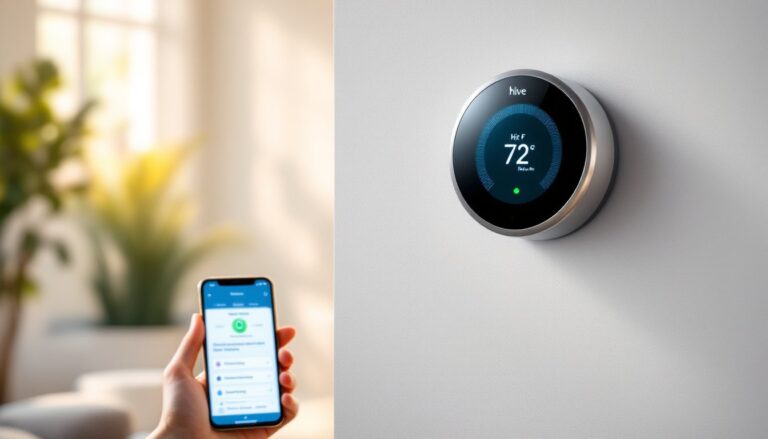
Nest Learning Thermostat pioneered this category. It observes when residents come and go, then creates a schedule automatically. The device displays the current temperature and adjusts based on occupancy sensors. Google’s integration makes it work smoothly with other Nest products.
Ecobee thermostats include room sensors in their packages. These sensors measure temperature in different areas and help eliminate hot and cold spots. The built-in Alexa support turns the thermostat into a smart speaker too.
Honeywell Home offers smart thermostats at various price levels. Their T-series models provide reliable performance without the learning features of premium options. These work well for those who prefer setting their own schedules.
Smart vents like Flair work alongside thermostats for room-by-room control. They open and close automatically to direct airflow where needed. This smart home tech approach improves comfort in multi-story homes where temperatures vary between floors.
Smart Home Hubs and Integration
Smart home hubs connect devices from different manufacturers. They create a unified system where everything works together. Samsung SmartThings, Hubitat, and Apple HomeKit serve as popular integration platforms.
Samsung SmartThings supports thousands of devices across many brands. The hub communicates using Wi-Fi, Zigbee, and Z-Wave protocols. Its app provides a central dashboard for controlling all connected smart home tech. Automations can trigger multiple devices based on time, location, or sensor readings.
Hubitat appeals to those who want local processing. Unlike cloud-dependent systems, Hubitat runs automations without internet access. This improves reliability and privacy. The platform requires more technical knowledge but offers greater customization.
Matter represents the newest standard for smart home tech integration. This protocol allows devices from different brands to communicate directly. Amazon, Apple, Google, and Samsung all support Matter. Devices with Matter certification work across ecosystems without brand-specific hubs.
Apple HomeKit provides integration for those in Apple’s ecosystem. It offers strong privacy protections and works through the Home app. HomePod or Apple TV can serve as the hub for remote access and automations.
Choosing the right hub depends on existing devices and technical comfort. Those starting fresh might wait for more Matter-certified products. Existing smart home owners should check compatibility before purchasing a hub.