Table of Contents
ToggleSmart home tech has moved from futuristic novelty to everyday essential. In 2025, millions of households use connected devices to control lighting, security, temperature, and entertainment with simple voice commands or smartphone taps. This smart home tech guide covers everything beginners need to know, from basic definitions to device recommendations and setup tips. Whether someone wants to save energy, boost convenience, or improve home security, smart home technology offers practical solutions. The following sections break down key concepts, essential devices, setup steps, and important privacy considerations.
Key Takeaways
- Smart home tech allows you to control lighting, security, temperature, and entertainment through voice commands or smartphone apps for greater convenience and energy savings.
- Start your smart home setup by choosing a primary ecosystem (Alexa, Google Home, or Apple HomeKit) and a smart speaker as your central control hub.
- Smart thermostats can reduce heating and cooling costs by 10-15% by learning your household patterns and adjusting temperatures automatically.
- Add devices gradually—begin with one or two items like smart bulbs or a thermostat to build familiarity before expanding your system.
- Protect your smart home by securing your Wi-Fi network, using strong unique passwords, enabling two-factor authentication, and updating device firmware regularly.
- Review privacy settings on all devices and be thoughtful about placing smart speakers and cameras in private spaces like bedrooms.
What Is Smart Home Technology?
Smart home technology refers to internet-connected devices that automate and control household functions. These devices communicate through Wi-Fi, Bluetooth, Zigbee, or Z-Wave protocols. Users can manage them through smartphone apps, voice commands, or automated schedules.
A smart home ecosystem typically includes a central hub or controller. This hub connects various devices and allows them to work together. For example, a motion sensor can trigger lights to turn on automatically. A thermostat can adjust based on whether anyone is home.
The appeal of smart home tech lies in three main benefits:
- Convenience: Control multiple devices from one app or with voice commands
- Energy savings: Automated systems reduce waste by turning off unused lights and optimizing heating/cooling
- Security: Smart cameras, locks, and sensors provide real-time monitoring and alerts
Smart home technology has become more affordable and user-friendly in recent years. Many devices now work straight out of the box with minimal technical knowledge required. This accessibility has driven widespread adoption across all age groups and technical skill levels.
Essential Smart Home Devices for Beginners
Starting a smart home doesn’t require a massive investment. A few key devices can transform daily routines immediately. Here are the essentials every beginner should consider.
Smart Speakers and Voice Assistants
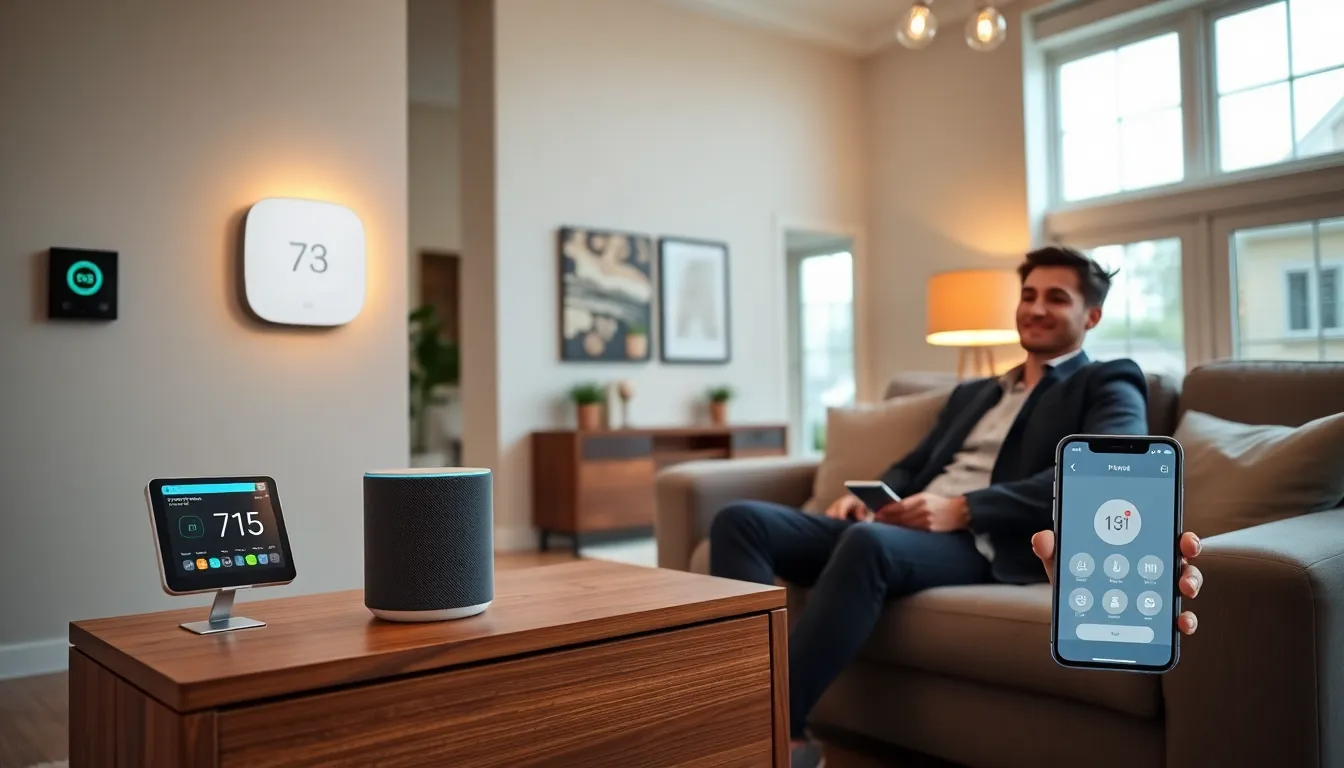
Smart speakers serve as the control center for most smart home setups. Amazon Echo, Google Nest, and Apple HomePod are the leading options. Each uses a different voice assistant, Alexa, Google Assistant, and Siri respectively.
These devices do more than play music. They answer questions, set timers, make calls, and control other smart home tech throughout the house. Voice assistants can dim lights, lock doors, adjust thermostats, and check security cameras, all hands-free.
When choosing a smart speaker, consider which ecosystem fits best. Amazon Alexa supports the widest range of third-party devices. Google Assistant excels at answering questions and integrating with Google services. Apple’s Siri works seamlessly with iPhones and other Apple products.
Smart Lighting and Thermostats
Smart bulbs and thermostats offer immediate, noticeable benefits. Philips Hue, LIFX, and Wyze produce popular smart bulbs that users can control via app or voice. These bulbs allow dimming, color changes, and scheduling without rewiring.
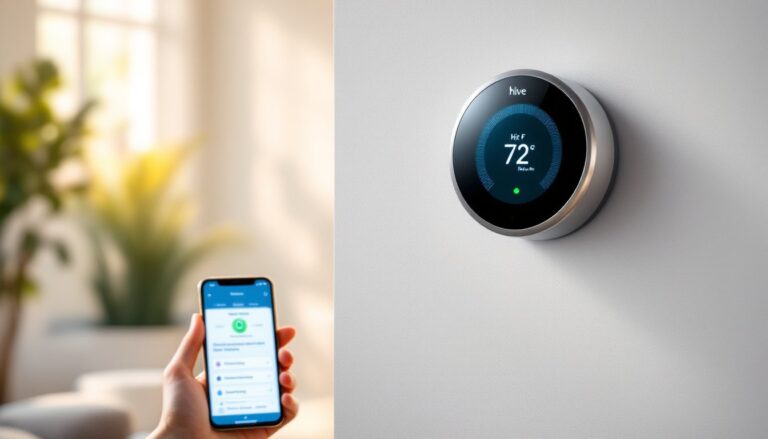
Smart thermostats like Nest, Ecobee, and Honeywell learn household patterns over time. They adjust temperatures automatically based on occupancy and preferences. Most households save 10-15% on heating and cooling costs after installing a smart thermostat.
Smart lighting adds convenience and security. Users can turn lights on remotely to simulate occupancy while traveling. They can also create “scenes”, preset configurations for movie nights, dinner parties, or bedtime routines.
How to Set Up Your Smart Home Ecosystem
Setting up smart home tech doesn’t require professional installation. Most devices follow similar steps that any homeowner can complete.
Step 1: Choose Your Platform
Pick a primary ecosystem before buying devices. Amazon Alexa, Google Home, and Apple HomeKit each have strengths. Check device compatibility before purchasing. Most products list supported platforms on their packaging.
Step 2: Start With a Hub or Smart Speaker
A smart speaker provides voice control and serves as the central point for the system. Place it in a common area where voice commands will be heard clearly.
Step 3: Add Devices Gradually
Begin with one or two devices. Learn how they work before expanding. A smart thermostat or a set of smart bulbs makes a good starting point. Each addition builds on existing knowledge.
Step 4: Download the Necessary Apps
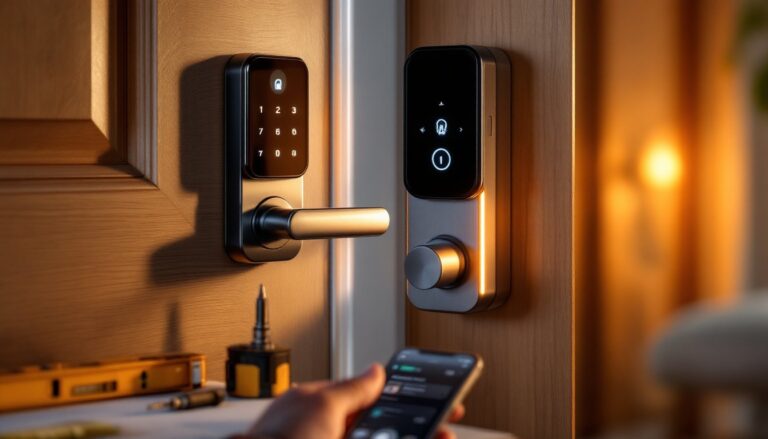
Most smart home devices require a companion app for initial setup. The app guides users through connecting devices to Wi-Fi and linking them to voice assistants. Keep app login credentials secure.
Step 5: Create Automations and Routines
Once devices are connected, set up routines. A “Good Morning” routine might turn on lights, read the weather, and adjust the thermostat. A “Goodnight” routine could lock doors, turn off lights, and arm security systems.
Smart home tech becomes more powerful as devices work together. A doorbell camera can trigger hallway lights when someone approaches. A window sensor can shut off the AC if someone opens a window.
Smart Home Security and Privacy Considerations
Smart home devices collect data about daily habits, schedules, and preferences. This information helps devices work better, but it also creates privacy concerns. Taking security seriously protects both data and physical safety.
Secure Your Network First
A strong home Wi-Fi network forms the foundation of smart home security. Use WPA3 encryption if the router supports it. Create a unique, complex password. Consider setting up a separate network specifically for smart home devices.
Update Firmware Regularly
Manufacturers release updates to fix security vulnerabilities. Enable automatic updates when possible. Check manually every few months for devices that don’t update automatically.
Use Strong, Unique Passwords
Every smart home account needs a strong password. Don’t reuse passwords across services. A password manager helps track multiple credentials securely. Enable two-factor authentication wherever available.
Review Privacy Settings
Most smart home devices allow users to control what data gets collected and shared. Review these settings during setup. Delete voice recordings periodically if privacy is a concern. Some devices offer local-only processing options that keep data off cloud servers.
Be Selective About Device Placement
Smart speakers and cameras don’t belong in every room. Think about where listening devices should, and shouldn’t, go. Bedrooms and private spaces deserve extra consideration.
Smart home tech provides genuine benefits, but informed users make better choices about which devices to trust and how to configure them.