Table of Contents
ToggleReady to bring your home into the connected era but unsure where to start? Finding a reliable local smart home company can feel overwhelming, too many options, conflicting reviews, and promises you can’t quite trust. The good news: you don’t need to hire the biggest national firm or go it entirely alone. A skilled local smart home installer understands your regional climate, building codes, and can provide hands-on support long after installation. This guide walks you through what separates a trustworthy operator from the rest, how to find them in your area, and the hard questions to ask before you sign.
Key Takeaways
- A local smart home company with 3–5 years of hands-on experience and relevant certifications (Google Nest, Amazon Certified, Apple HomeKit) delivers better results than inexperienced installers or national chains without regional expertise.
- Finding a trusted smart home company near you requires reading detailed customer reviews, checking trade directories, asking neighbors and contractors for referrals, and watching for red flags like phone-only quotes or pressure to sign same-day.
- Post-install support and warranty coverage matter as much as installation day—ask about response times, whether support covers integration issues, annual check-ins, and who handles ongoing service.
- Get three detailed quotes with identical scope to compare apples-to-apples, and understand why one price differs significantly before choosing your smart home installer.
- Ask installers critical questions about WiFi stability, future-proofing strategies, written automation plans, permit handling, realistic timelines, and hands-on training to ensure the system matches your expectations.
- Review the written scope of work, equipment choices, and contract terms (including timeline, payment schedule, warranty, and cancellation clauses) before signing to avoid surprise costs and unfulfilled promises.
What to Look for in a Local Smart Home Company
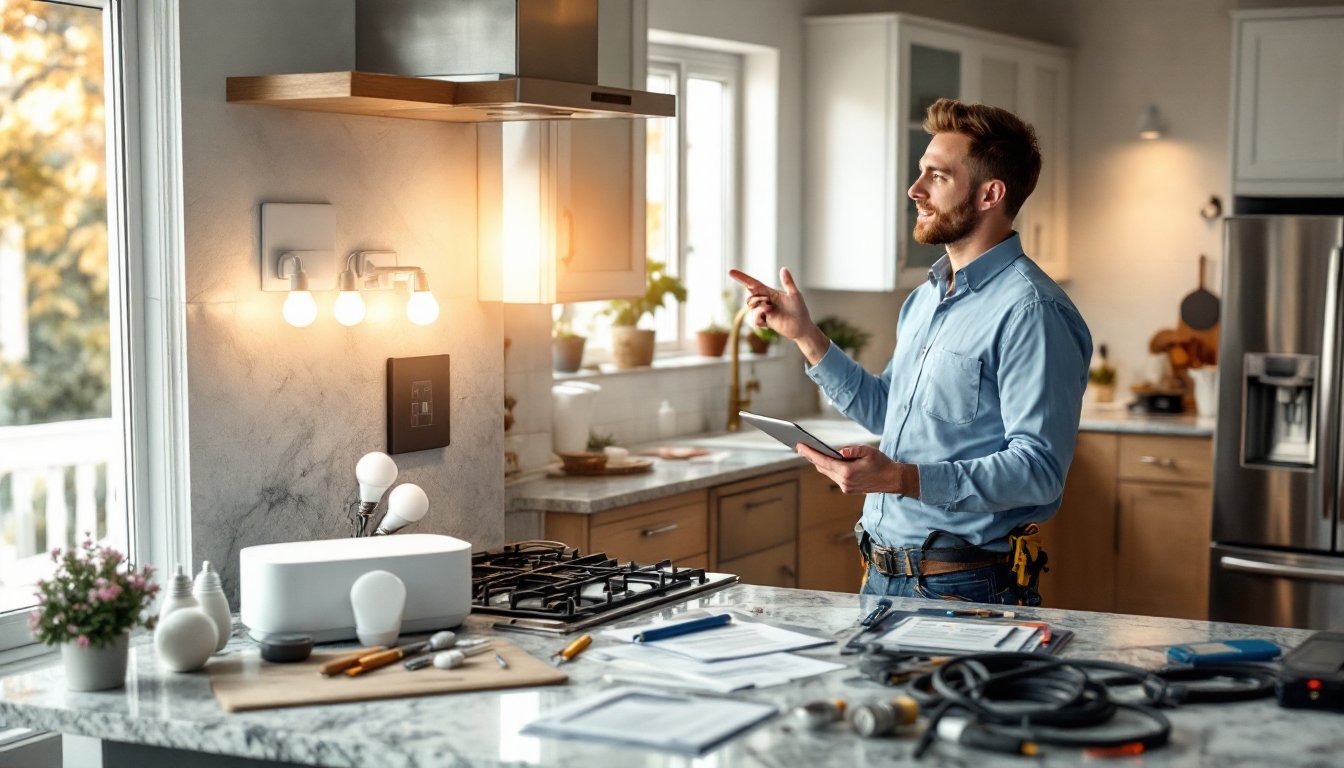
A solid local smart home company brings technical depth plus the neighborhood familiarity that national chains can’t match. The difference between a good install and a frustrating one often comes down to who’s handling the project.
Experience and Certifications
The installer’s background matters. Look for companies with at least 3–5 years of hands-on smart home work, ideally not fresh pivots from general contracting. Real experience means they’ve troubleshot WiFi dead zones, know which hubs play nice together, and understand the electrical load implications of your setup.
Certifications aren’t everything, but they’re telling. Google Nest Professionals, Amazon Certified installers, and Smart Home Tech for Beginners level training through reputable organizations show the company invests in staying current. Ask if they’re certified for the specific brands you want, Apple HomeKit, Hubitat, or Lutron differ, and certification proves they’ve been trained on that ecosystem.
Don’t shy away from asking for references. A company confident in its work will give you names. Call three customers and ask about reliability, whether the system still works smoothly six months later, and how responsive the installer was to questions.
Customer Support and Warranty Options
Installation day is just the beginning. Smart home systems need tweaking, automations don’t trigger right, new devices integrate poorly, or you want to expand down the road. A local company with genuine local support beats email-only help every time.
Ask about their warranty and post-install support explicitly. Does it cover hardware only, or integration issues too? How long? What’s the response time for service calls? Some companies charge per visit after the first year: others include annual check-ins. Get specifics in writing. Also clarify who handles support, the original installer or a rotating crew?
A Smart Home Tech Tools ecosystem can be fragile if pieces aren’t configured right. The best local installers stand behind their work and keep lines open.
How to Find Smart Home Companies in Your Area
Finding a trustworthy installer near you takes a bit of legwork, but the payoff is face-to-face consultation and quicker service.
Start with targeted searches. Google “smart home installer near me” or “home automation company [your city],” and filter for places with genuine reviews. Don’t stop at stars, read what customers actually say. Specific complaints about missed deadlines or poor WiFi coverage are red flags. Praise that mentions a tech returning to fix something right the first time is gold.
Check trade directories. Organizations like the National Association of Home Builders (NAHB) and the Smart Home Alliance list vetted installers. These directories don’t guarantee perfection, but they indicate accountability.
Ask neighbors, contractors, or electricians. If you’ve had good experiences with a general contractor or electrician, ask for referrals. They work with smart home installers regularly and know who’s reliable and who cuts corners.
Evaluate online presence carefully. A solid website with project photos, clear pricing structure, and an FAQ section suggests professionalism. If a company can’t explain what they do on their site or has zero photos of past work, that’s a warning sign. Compare across Best Smart Home Tech installers to understand what different approaches look like.
Watch for red flags. If someone won’t give references, quotes over the phone without seeing your home, or pressures you to decide same-day, keep looking.
Popular Services Local Smart Home Companies Offer
Smart home work spans cosmetic additions to structural integration. Knowing what’s available helps you build the system that fits your life.
Lighting automation tops the list. Installers wire smart switches, dimmers, or RGB bulbs, then integrate them into scenes (“movie mode” dims everything and closes blinds). This is relatively low-risk electrically but requires thoughtful placement and home network stability.
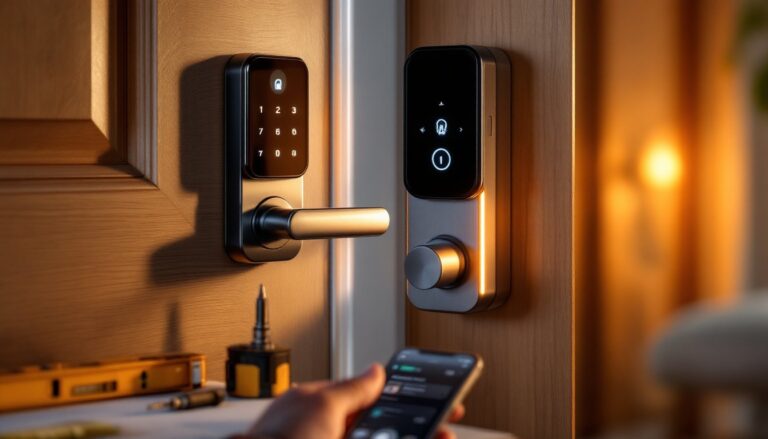
Security and surveillance includes doorbell cameras, interior cams, glass-break sensors, and smart locks, tied to monitoring apps or professional services. Some companies also offer integration with alarm systems. This work touches both electrical and physical security, so proper installation matters.
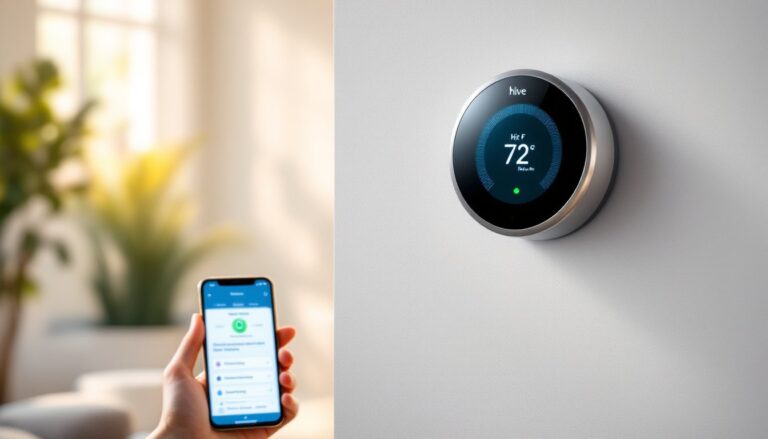
Climate control automation connects thermostats, smart vents, or zone controllers to create efficient heating and cooling. Installers may handle HVAC settings alongside smart bulbs, coordinated comfort.
Audio and entertainment covers wired speakers, integrated amplifiers, and whole-home audio systems. This is often optional cosmetics, but coordinating wiring during construction is cheaper than retrofitting later.
Power management automation lets homeowners control outlets, monitor energy use, and set schedules for appliances. Some local companies also install backup power systems or EV chargers.
Multi-brand integration is the real skill. Most installers handle one ecosystem well (Apple HomeKit, Google Home, Amazon Alexa). The best ones bridge ecosystems, your HomeKit lights work with your Alexa routine, or recommend compatible hubs and devices. Explore Smart Home Tech Ideas to clarify what resonates with your lifestyle before meeting installers.
Questions to Ask Before Hiring a Local Smart Home Installer
Use these questions to filter candidates and get past generic pitches.
“How do you handle WiFi and network requirements?” Smart homes demand stable internet. Ask if they run network audits, recommend mesh systems, or handle band-steering. Poor WiFi makes the best system feel broken.
“What happens if a brand or device goes obsolete?” Smart home tech moves fast. A good installer explains their approach to future-proofing, using open standards, avoiding proprietary locks, or planning for migration paths.
“Can you provide automation logic before install?” Installers worth their salt sketch out automations in writing: “When you leave home (geofence), lights turn off and thermostat drops to 62°F.” This prevents disappointment later.
“Do you pull permits for electrical work?” If rewiring is involved, permits and inspections matter. A company reluctant to discuss permits is cutting corners and exposing you legally.
“What’s your timeline and does that include testing?” Install day and testing day aren’t the same. Ask for a realistic schedule. Smart Home Tech Strategies vary, but thorough setups take 2–5 days depending on scope.
“Can I see a written scope of work and pricing breakdown?” Vague quotes lead to surprise bills. Written scopes show exactly what’s included, labor, materials, testing, training, and what costs extra.
“How do you train us on the system?” Will they walk you through the app, automations, and troubleshooting, or just hand you a manual? Training prevents the feeling of owning a system you don’t understand.
Comparing Quotes and Making Your Decision
Don’t choose solely on price. A cheap quote often means missing features, cut corners, or a company that’ll pressure you for add-ons mid-project.
Compare apples to apples. Get at least three quotes with the same scope of work. If one is half the price of the others, ask why, inferior equipment, fewer hours of labor, no warranty? Understand the delta.
Check reviews for companies in your shortlist. Sites like the Better Business Bureau, Google Reviews, and Yelp reveal patterns. One bad review happens: five similar complaints about missed deadlines is a trend.
Evaluate responsiveness. Did the installer answer your questions clearly? Did they return your call within 24 hours? Their behavior during the sales phase predicts post-install support.
Trust your gut about fit. You’ll be working with this person for several days and speaking with them afterward. If you don’t feel heard or respected during the quote meeting, that feeling usually worsens. References to Smart Home Tech vs Traditional Home Systems in their pitch show they understand homeowner concerns, not just product specs.
Look at equipment choices. Does the installer propose known brands or white-label boxes? Why did they choose those hubs, switches, or cameras? A good answer tells you they think about compatibility and longevity, not just margin. Expert sources like CNET’s Smart Home section review top equipment to help you verify their picks.
Lock down terms before signing. Ensure the contract includes timeline, payment schedule, scope, warranty, and cancellation terms. Don’t pay 100% upfront: typical is 25–30% to reserve the date, balance on completion.