Table of Contents
ToggleSmart home tech tools have changed how people interact with their living spaces. These devices connect through Wi-Fi and voice commands, creating homes that respond to simple instructions. From adjusting thermostats to monitoring security cameras, smart home technology puts control at homeowners’ fingertips.
The market for connected devices continues to grow rapidly. According to industry reports, over 60% of U.S. households now own at least one smart home device. This shift reflects a broader demand for convenience, energy savings, and improved home security.
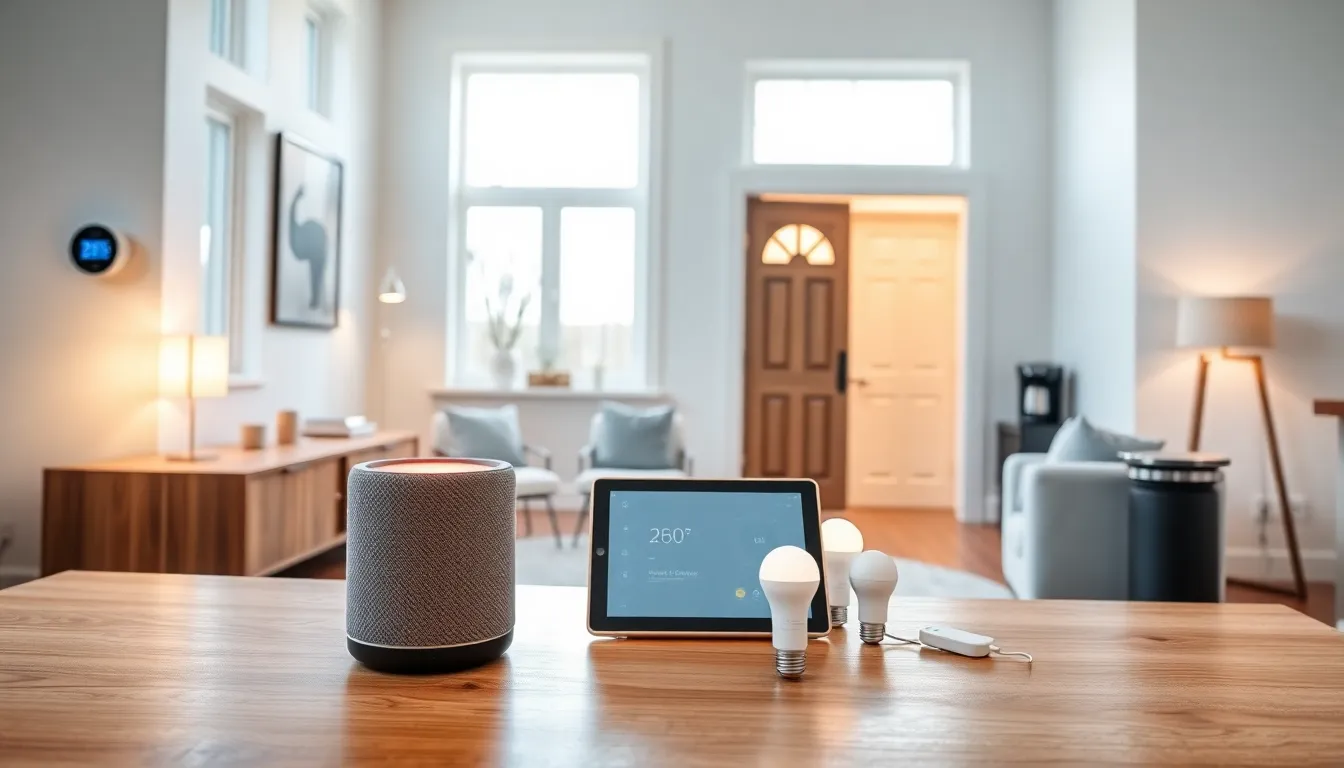
This guide covers the essential smart home tech tools that make daily life easier. Readers will learn about voice assistants, smart lighting, security systems, and energy management devices. Each category offers practical solutions for building a connected home that works smarter, not harder.
Key Takeaways
- Smart home tech tools like voice assistants, smart lighting, and security devices put convenient control of your living space at your fingertips.
- Over 60% of U.S. households now own at least one smart device, reflecting growing demand for convenience, energy savings, and security.
- Smart thermostats can reduce heating and cooling costs by 10-15% by learning household patterns and using geofencing technology.
- Video doorbells and smart locks enhance home security with smartphone alerts, two-way audio, and keyless entry options.
- Smart plugs are an affordable entry point, starting around $10-15, and can eliminate standby power consumption that accounts for 5-10% of electricity costs.
- Choosing the right voice assistant platform (Alexa, Google, or Siri) depends on your existing device ecosystem and desired third-party compatibility.
Voice Assistants and Smart Speakers
Voice assistants serve as the command center for most smart home setups. Devices like Amazon Echo, Google Nest, and Apple HomePod respond to spoken commands and control other connected devices throughout the home.
These smart home tech tools do more than play music. They set timers, answer questions, read news updates, and manage shopping lists. But their real value comes from integration with other devices. A single voice command can dim lights, lock doors, and adjust the thermostat simultaneously.
Key Features to Consider
Sound quality matters for those who want a speaker that doubles as an entertainment device. The Amazon Echo Studio and Apple HomePod deliver premium audio, while budget options like the Echo Dot focus on functionality over sound.
Privacy controls have improved significantly. Most voice assistants now include physical mute buttons and options to delete voice recordings. Users can review and manage their data through companion apps.
Multi-room audio turns several smart speakers into a synchronized sound system. This feature lets homeowners play the same music throughout the house or different audio in each room.
Choosing the Right Platform
The choice between Alexa, Google Assistant, and Siri often depends on existing device ecosystems. iPhone users may prefer HomePod for seamless Apple integration. Android users typically find Google Nest devices more compatible with their phones.
Amazon Alexa currently supports the widest range of third-party smart home tech tools. This compatibility makes Echo devices a solid choice for those building a diverse connected home system.
Smart Lighting and Climate Control
Smart lighting represents one of the easiest entry points into home automation. Philips Hue, LIFX, and Wyze bulbs replace standard bulbs and connect to home networks within minutes.
These smart home tech tools offer several advantages over traditional lighting. Users can schedule lights to turn on before they arrive home. Dimming options create ambiance without installing special switches. Color-changing bulbs let homeowners shift from bright white for work to warm tones for relaxation.
Smart Thermostats
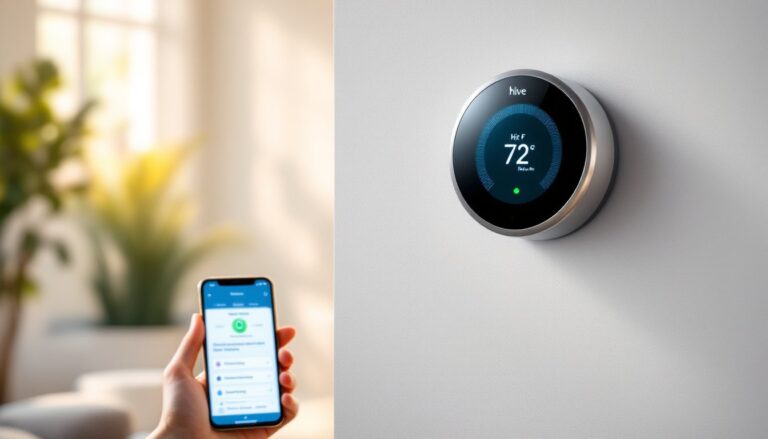
Smart thermostats like the Nest Learning Thermostat and Ecobee save money while improving comfort. These devices learn household patterns and adjust temperatures automatically. The Nest thermostat claims to reduce heating and cooling costs by 10-15% for most users.
Geofencing technology detects when residents leave home and adjusts settings accordingly. The system lowers heating or cooling when the house is empty, then restores comfortable temperatures before anyone returns.
Room sensors address a common problem with traditional thermostats. Instead of measuring temperature at a single location, sensors throughout the home provide more accurate readings. This prevents situations where one room feels too hot while another stays too cold.
Integration Benefits
Smart lighting and climate control work better together. When the thermostat detects warm afternoon temperatures, it can close smart blinds to block sunlight. Lights can adjust their warmth based on time of day, supporting natural sleep cycles.
These smart home tech tools often pay for themselves through energy savings. A programmable schedule prevents wasted electricity from lights left on or HVAC systems running in empty rooms.
Home Security and Monitoring Devices
Security devices rank among the most popular smart home tech tools. Video doorbells, cameras, and smart locks give homeowners visibility and control over home access.
Ring, Nest, and Arlo dominate the video doorbell and camera market. These devices send smartphone alerts when motion is detected. Two-way audio lets users communicate with visitors or delivery drivers from anywhere.
Video Doorbells
Video doorbells have become essential for package security. With online shopping more popular than ever, porch theft remains a real concern. HD video with night vision captures clear footage regardless of lighting conditions.
Most video doorbells offer cloud storage for recorded clips. Subscription plans typically cost $3-10 monthly, though some devices include limited free storage. Local storage options exist for those who prefer keeping footage on personal devices.
Smart Locks and Access Control
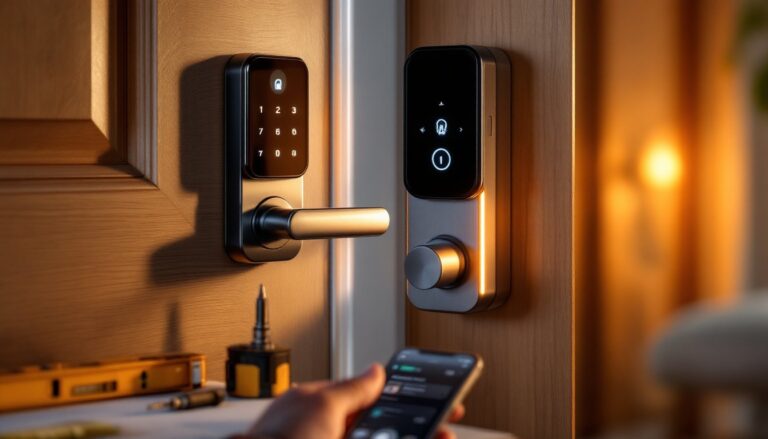
Smart locks eliminate the need for physical keys. August, Schlage, and Yale offer locks that open via smartphone apps, keypads, or voice commands. Temporary access codes let homeowners grant entry to guests, dog walkers, or repair technicians.
Auto-lock features ensure doors secure themselves after a set time. Activity logs track who entered and when, providing a clear record of home access.
Comprehensive Monitoring Systems
Professional monitoring services like those from SimpliSafe and ADT add another layer of protection. These systems alert emergency services when sensors detect break-ins, fires, or carbon monoxide. Monthly fees range from $10-30 depending on service levels.
DIY smart home tech tools offer monitoring without subscription costs. Homeowners receive alerts directly and decide whether to contact authorities themselves.
Smart Plugs and Energy Management
Smart plugs transform ordinary appliances into connected devices. These affordable smart home tech tools plug into standard outlets and add wireless control to anything with an on/off switch.
Coffee makers, fans, lamps, and space heaters all work with smart plugs. Users can create schedules, control devices remotely, and monitor energy usage through companion apps.
Energy Monitoring Features
Some smart plugs track electricity consumption in real time. The TP-Link Kasa and Emporia smart plugs display wattage information and estimate monthly costs. This data helps homeowners identify energy-hungry devices and adjust usage habits.
Vampire power, the electricity devices consume while idle, adds up over time. Smart plugs can cut power completely to entertainment centers and chargers when not in use. This eliminates standby consumption that can account for 5-10% of household electricity costs.
Power Strips and Surge Protection
Smart power strips offer multiple controlled outlets in one unit. Individual control lets users power down specific devices while keeping others active. A home office setup might keep the router running 24/7 while shutting down the printer and monitor overnight.
Surge protection features safeguard expensive electronics. Quality smart power strips combine convenience with the safety features of traditional surge protectors.
Automation Possibilities
Smart plugs work well with voice assistants and other smart home tech tools. A morning routine command might start the coffee maker, turn on the bathroom fan, and activate a space heater. These automations run on schedules or trigger based on other device activity.
At prices starting around $10-15 per plug, smart plugs offer exceptional value for home automation beginners.