Table of Contents
ToggleSmart home tech for beginners doesn’t have to feel overwhelming. In fact, millions of households now use connected devices to simplify daily tasks, improve security, and save energy. The global smart home market reached $121 billion in 2024, and that number keeps growing. Whether someone wants to control lights with their voice or check a doorbell camera from their phone, the entry point has never been easier. This guide breaks down exactly what beginners need to know, from basic concepts to practical setup tips, so they can build a smarter home without the confusion.
Key Takeaways
- Smart home tech for beginners works best when you start with just two or three foundational devices like a smart speaker, smart lighting, or a thermostat.
- Choose a primary platform (Alexa, Google Home, or Apple HomeKit) first, as this determines which devices will work seamlessly together.
- Smart thermostats can cut heating costs by 10-15% by learning household patterns and adjusting temperatures automatically.
- Look for devices with Matter certification to ensure cross-platform compatibility across major smart home ecosystems.
- Stable Wi-Fi is essential—consider a mesh system and use a 2.4GHz network since many smart devices don’t support 5GHz.
- Master each device before adding more to avoid feature overload and ensure your smart home actually simplifies daily life.
What Is Smart Home Technology?
Smart home technology refers to devices and systems that connect to the internet and can be controlled remotely. These devices communicate with each other and with users through apps, voice commands, or automated routines.
At its core, smart home tech relies on three components: the device itself, a wireless connection (usually Wi-Fi or Bluetooth), and a control interface like a smartphone app or voice assistant. When someone says “turn off the lights” to their smart speaker, the speaker sends that command through the home network to the connected light bulb.
Common examples of smart home tech include:
- Smart speakers (Amazon Echo, Google Nest)
- Smart thermostats (Nest, Ecobee)
- Smart lighting (Philips Hue, LIFX)
- Smart locks and doorbells (Ring, August)
- Smart plugs that make regular devices controllable
The appeal is simple: convenience, energy savings, and peace of mind. A smart thermostat learns household patterns and adjusts temperatures automatically, potentially cutting heating costs by 10-15%. A smart doorbell lets homeowners see who’s at the door from anywhere. These aren’t luxury items anymore, they’re practical tools that fit most budgets.
Essential Smart Home Devices to Consider First
Beginners exploring smart home tech should start small. Buying everything at once leads to frustration and compatibility headaches. Instead, picking two or three foundational devices makes the process manageable.
Smart Speaker or Display
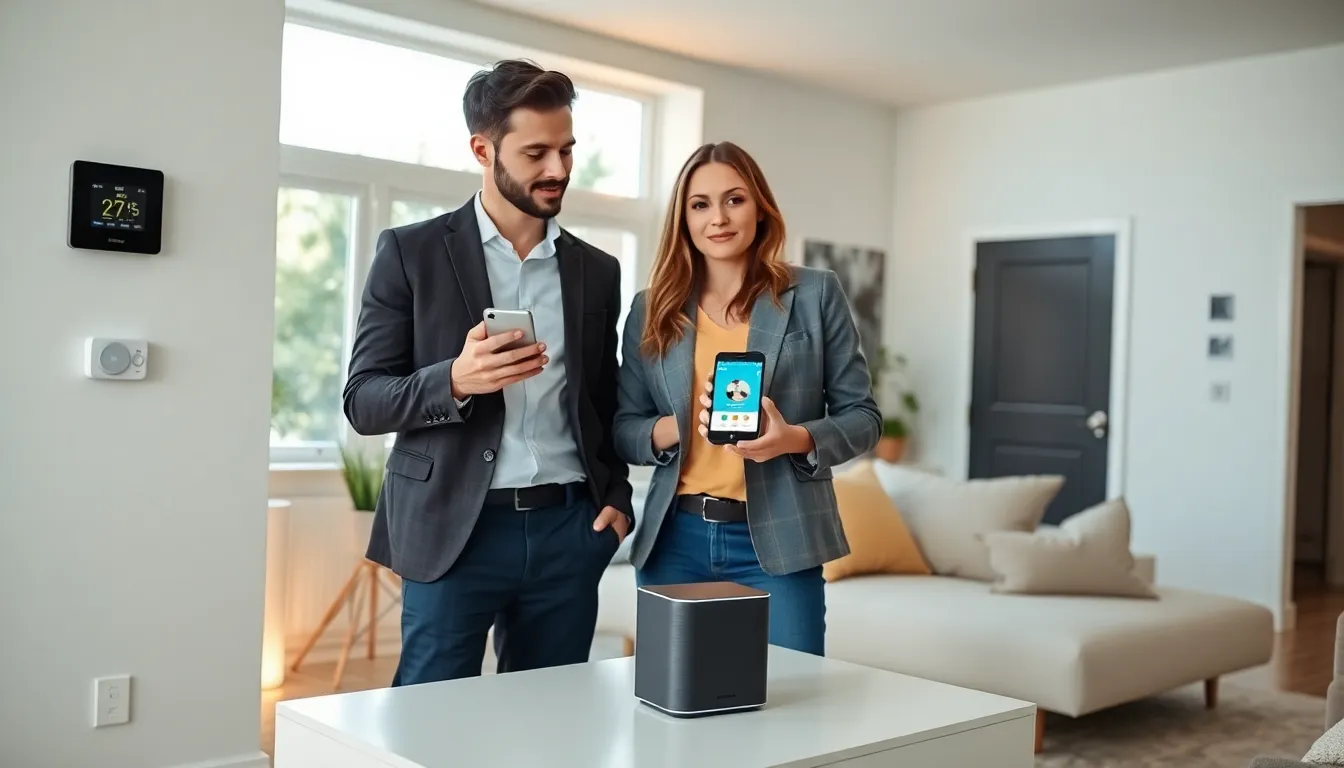
A smart speaker serves as the control center for most smart home setups. Amazon’s Alexa, Google Assistant, and Apple’s Siri each power different ecosystems. The choice matters because it determines which devices will work best together. Amazon Echo devices work seamlessly with Alexa-compatible products, while Google Nest speakers pair well with Google Home devices.
For beginners, the Amazon Echo Dot or Google Nest Mini offer affordable entry points under $50.
Smart Lighting
Smart bulbs provide an easy first upgrade. They screw into existing fixtures and connect to Wi-Fi or a hub. Users can dim lights, change colors, set schedules, or control everything by voice. Philips Hue remains popular, though brands like Wyze offer budget-friendly alternatives.
Smart plugs represent an even simpler option. They turn any lamp or appliance into a smart device without replacing anything.
Smart Thermostat
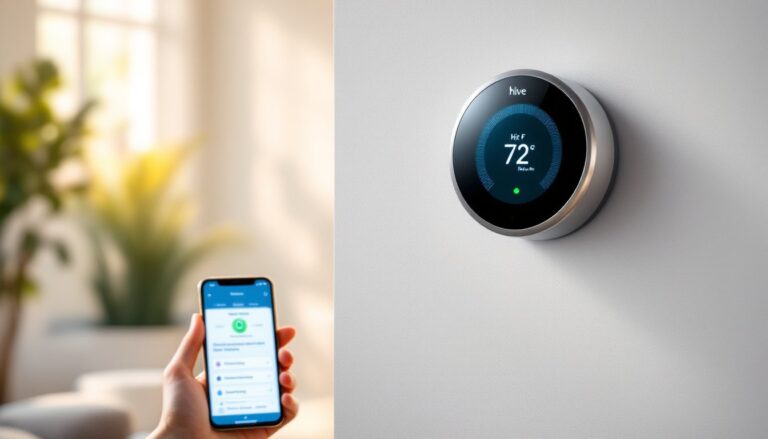
A smart thermostat delivers both convenience and savings. It learns when the household is home or away and adjusts heating and cooling accordingly. The Nest Learning Thermostat and Ecobee SmartThermostat both perform well, though installation may require basic electrical knowledge or a professional.
Security Devices
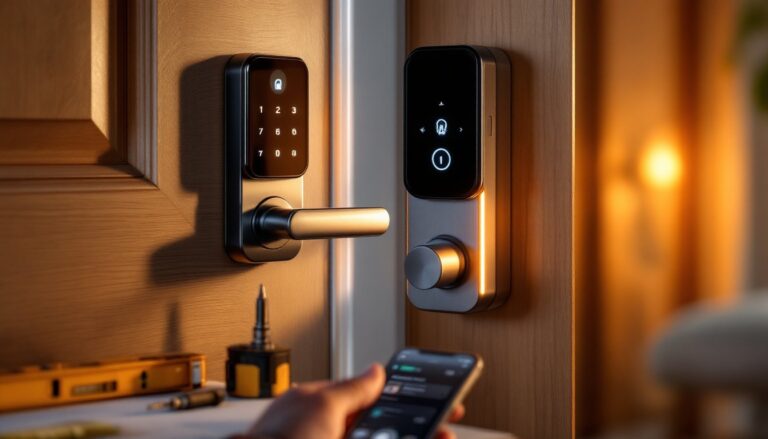
Smart doorbells and cameras give beginners peace of mind. Ring Video Doorbell and Google Nest Doorbell let users see visitors, receive motion alerts, and speak through two-way audio, all from a phone. These devices work standalone, so they don’t require a full smart home setup.
Setting Up Your Smart Home Ecosystem
Building a smart home ecosystem requires some planning. Random device purchases often lead to products that don’t communicate well. A little strategy goes a long way.
Choose a Primary Platform
The first decision involves picking an ecosystem. Amazon Alexa, Google Home, and Apple HomeKit each have strengths:
- Alexa supports the widest range of third-party devices
- Google Home offers strong integration with Google services and Android phones
- Apple HomeKit prioritizes privacy and works best for iPhone users
Most beginners choose Alexa or Google because they support more smart home tech at various price points.
Check Device Compatibility
Before buying any smart device, verify it works with the chosen platform. Product listings and packaging display compatibility logos. The Matter standard, launched in 2022, aims to make cross-platform compatibility easier. Devices with Matter certification work across Alexa, Google, and HomeKit.
Set Up Step by Step
Each smart device comes with its own app. Download it, create an account, and follow the setup instructions. Most devices guide users through connecting to Wi-Fi and linking to the main smart home platform.
After individual setup, add each device to the central app (Alexa, Google Home, or Apple Home). This allows voice control and automation across all devices.
Create Automations and Routines
Automation brings smart home tech together. Users can create routines like:
- “Good morning” turns on lights and reads the weather
- Motion at the front door triggers a camera recording
- Leaving home sets the thermostat to away mode
These routines transform separate gadgets into a connected system.
Common Challenges and How to Overcome Them
Smart home tech for beginners comes with a learning curve. Knowing the common pitfalls helps avoid frustration.
Wi-Fi Connectivity Issues
Smart devices depend on stable Wi-Fi. Too many devices on one network, or dead zones in the house, cause connection drops. Solutions include:
- Upgrading to a mesh Wi-Fi system for whole-home coverage
- Placing the router centrally
- Using a dedicated 2.4GHz network (many smart devices don’t support 5GHz)
Compatibility Confusion
Not all devices work with all platforms. A Philips Hue bulb works with Alexa, Google, and HomeKit, but some budget brands only support one ecosystem. Always check before purchasing. The Matter standard should reduce this problem over time.
Privacy Concerns
Smart speakers and cameras raise privacy questions. Users can review and delete voice recordings in app settings. Turning off microphones when not needed adds another layer of control. Choosing reputable brands with clear privacy policies also matters.
Feature Overload
Beginners sometimes buy too many devices too quickly. The result? Apps on phones, half-configured routines, and devices that sit unused. Start with one or two products. Master them before adding more. Smart home tech works best when it actually simplifies life, not when it creates new tasks.