Table of Contents
ToggleSmart home tech vs traditional systems, it’s a question more homeowners face every year. Connected devices now control everything from thermostats to door locks. Yet many people still prefer the simplicity of conventional setups. Both options have clear strengths and weaknesses. This guide breaks down the key differences, benefits, and drawbacks of each approach. By the end, you’ll know which type of home system fits your lifestyle, budget, and comfort level.
Key Takeaways
- Smart home tech offers convenience, energy savings, and remote control, but costs more upfront and depends on reliable internet.
- Traditional systems are simpler, cheaper, and work without Wi-Fi—ideal for budget-conscious homeowners or areas with limited connectivity.
- Smart thermostats can reduce heating and cooling costs by 10–15%, making them a worthwhile long-term investment.
- When comparing smart home tech vs traditional systems, consider your lifestyle, budget, technical comfort, and privacy preferences.
- Renters, privacy-focused users, and those in older homes may benefit more from sticking with conventional setups.
- Over 60 million U.S. households used smart home devices in 2024, showing rapid adoption as prices drop and setup becomes easier.
What Is Smart Home Technology?
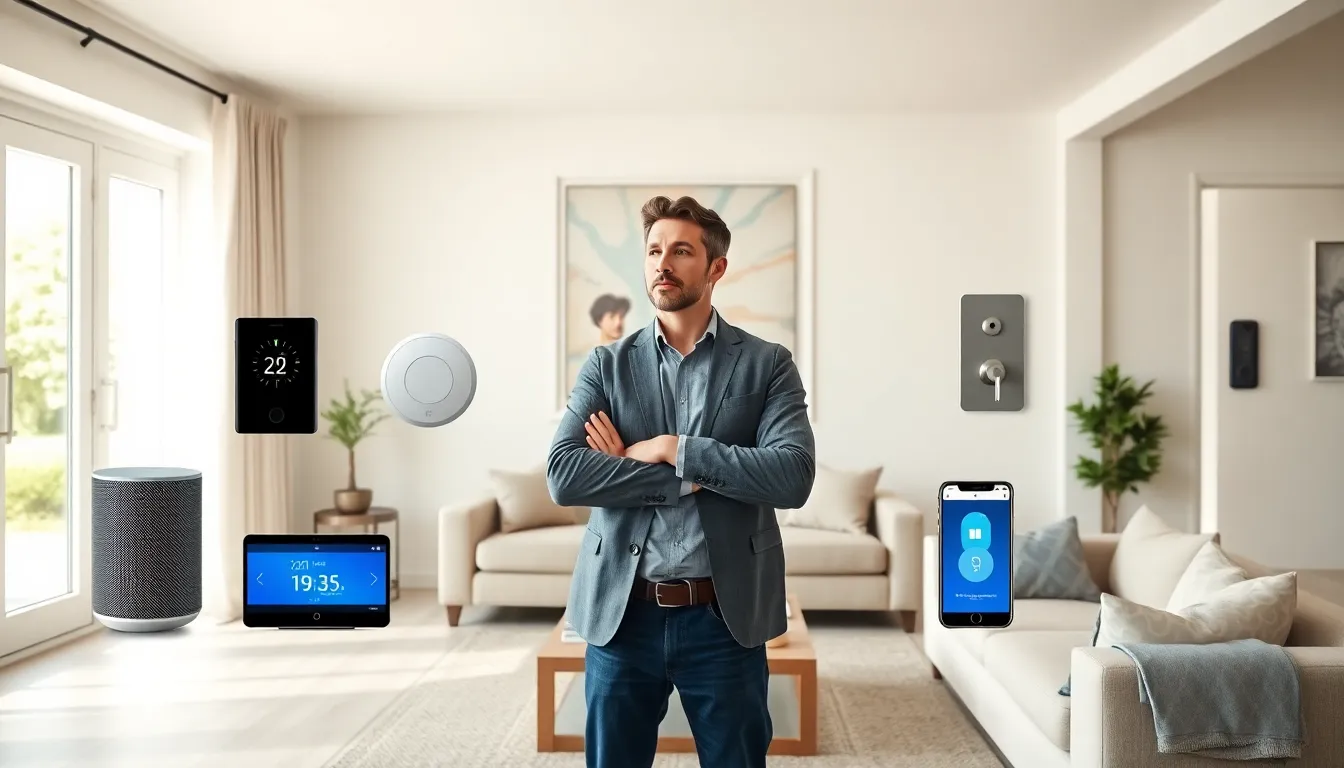
Smart home technology refers to devices and systems that connect to the internet and communicate with each other. These products let users control lights, thermostats, security cameras, appliances, and more through smartphones, voice assistants, or automated schedules.
Common examples include smart speakers like Amazon Echo and Google Nest, video doorbells from Ring or Arlo, and programmable thermostats such as the Ecobee or Nest Learning Thermostat. Smart home tech also covers lighting systems (Philips Hue, Lutron), smart locks, and connected smoke detectors.
The core idea is simple: automation and remote access. A homeowner can adjust the temperature from work, check who’s at the front door from another city, or set lights to turn on at sunset, all without touching a physical switch.
Smart home tech has grown rapidly. According to Statista, over 60 million U.S. households used smart home devices in 2024. That number continues to rise as prices drop and setup becomes easier.
Traditional home systems, by contrast, operate independently. A standard thermostat adjusts temperature based on manual input. A conventional deadbolt requires a physical key. These systems work reliably but offer no remote control or integration.
Key Differences Between Smart and Traditional Home Systems
The smart home tech vs traditional debate comes down to several factors: connectivity, control, cost, and maintenance.
Connectivity
Smart devices connect through Wi-Fi, Bluetooth, Zigbee, or Z-Wave protocols. They communicate with each other and with cloud-based platforms. Traditional systems work in isolation. A conventional light switch controls one fixture and nothing else.
Control Options
Smart home tech offers multiple control methods, apps, voice commands, schedules, and automation routines. Users can create “scenes” that trigger several actions at once. For instance, saying “Good night” might lock the doors, lower the thermostat, and turn off all lights.
Traditional systems require manual operation. Each device functions on its own without integration.
Installation and Setup
Many smart devices install quickly. A smart plug takes seconds. A video doorbell might take 20 minutes. But, some products need professional installation, especially wired systems like smart switches or whole-home automation setups.
Traditional systems often require less technical knowledge upfront. But upgrades or additions may still need an electrician or HVAC technician.
Cost
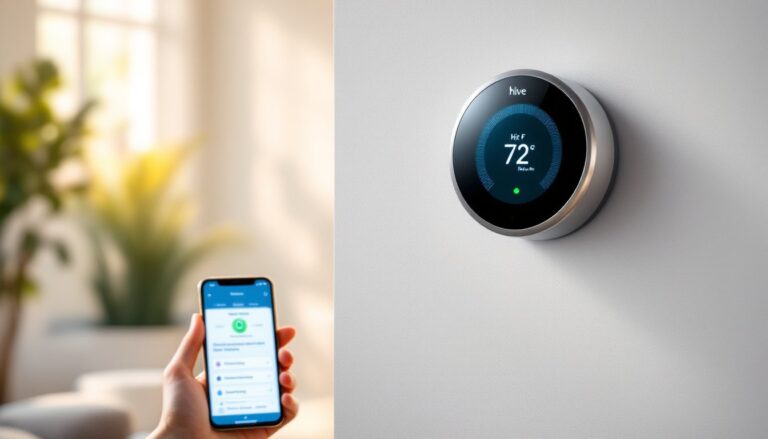
Smart home tech typically costs more initially. A smart thermostat runs $100–$250, while a basic programmable thermostat costs $20–$50. Over time, smart devices may save money through energy efficiency. The U.S. Department of Energy estimates smart thermostats can cut heating and cooling costs by 10–15%.
Traditional systems have lower purchase prices but offer no automation benefits.
Maintenance and Updates
Smart devices need software updates and occasional troubleshooting. Wi-Fi outages can temporarily disable features. Traditional systems require less maintenance but also receive no improvements after purchase.
Pros and Cons of Smart Home Tech
Choosing smart home tech vs traditional systems means weighing benefits against drawbacks. Here’s a clear breakdown.
Advantages of Smart Home Tech
Convenience: Control devices from anywhere. Forgot to lock the door? Check your phone. Want to preheat the oven before arriving home? Done.
Energy Savings: Smart thermostats learn schedules and adjust temperatures automatically. Smart lighting can turn off when rooms are empty. These features reduce utility bills.
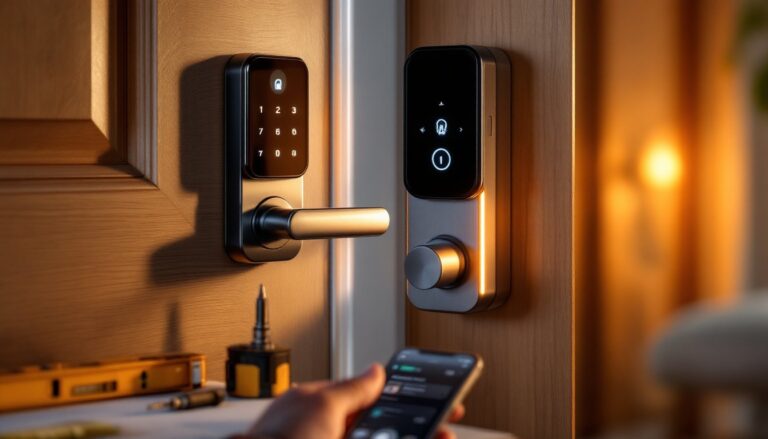
Security Features: Video doorbells, motion sensors, and smart locks provide real-time alerts and remote monitoring. Some systems integrate with professional monitoring services.
Customization: Users build routines based on their habits. Morning routines can start the coffee maker, raise blinds, and play news updates, all triggered by an alarm.
Accessibility: Voice control helps people with mobility challenges operate devices without physical effort.
Disadvantages of Smart Home Tech
Higher Upfront Cost: Smart devices cost more than their traditional counterparts. A full smart home setup can run thousands of dollars.
Internet Dependency: Most smart home tech requires Wi-Fi. If the internet goes down, many features stop working.
Privacy Concerns: Connected devices collect data. Some users worry about hacking risks or companies accessing personal information.
Compatibility Issues: Not all devices work together. A Google Nest might not integrate smoothly with certain third-party products. The Matter standard aims to fix this, but adoption is still growing.
Learning Curve: Setup and configuration take time. Older adults or less tech-savvy users may find smart home tech frustrating at first.
When Traditional Systems Make More Sense
Smart home tech vs traditional isn’t always a clear win for connected devices. Several situations favor conventional systems.
Limited Internet Access
Rural areas or homes with unreliable Wi-Fi can’t support cloud-dependent smart devices. Traditional systems work without internet connectivity.
Budget Constraints
Homeowners on tight budgets get more value from traditional systems. A $30 deadbolt works just as well at keeping intruders out as a $200 smart lock, it just won’t send alerts to a phone.
Simplicity Preference
Some people don’t want to manage apps, updates, or troubleshooting. They prefer flipping a switch and having it work. Traditional systems deliver that reliability without extra steps.
Rental Properties
Renters may not want to invest in smart home tech they can’t take with them. Landlords might also restrict modifications. Traditional systems avoid these complications.
Privacy Priorities
Users who value data privacy may avoid smart devices that collect usage information. Traditional systems don’t send data anywhere.
Older Homes
Some older homes lack neutral wires required for certain smart switches. Retrofitting can get expensive. Traditional systems often work better with existing wiring.