Table of Contents
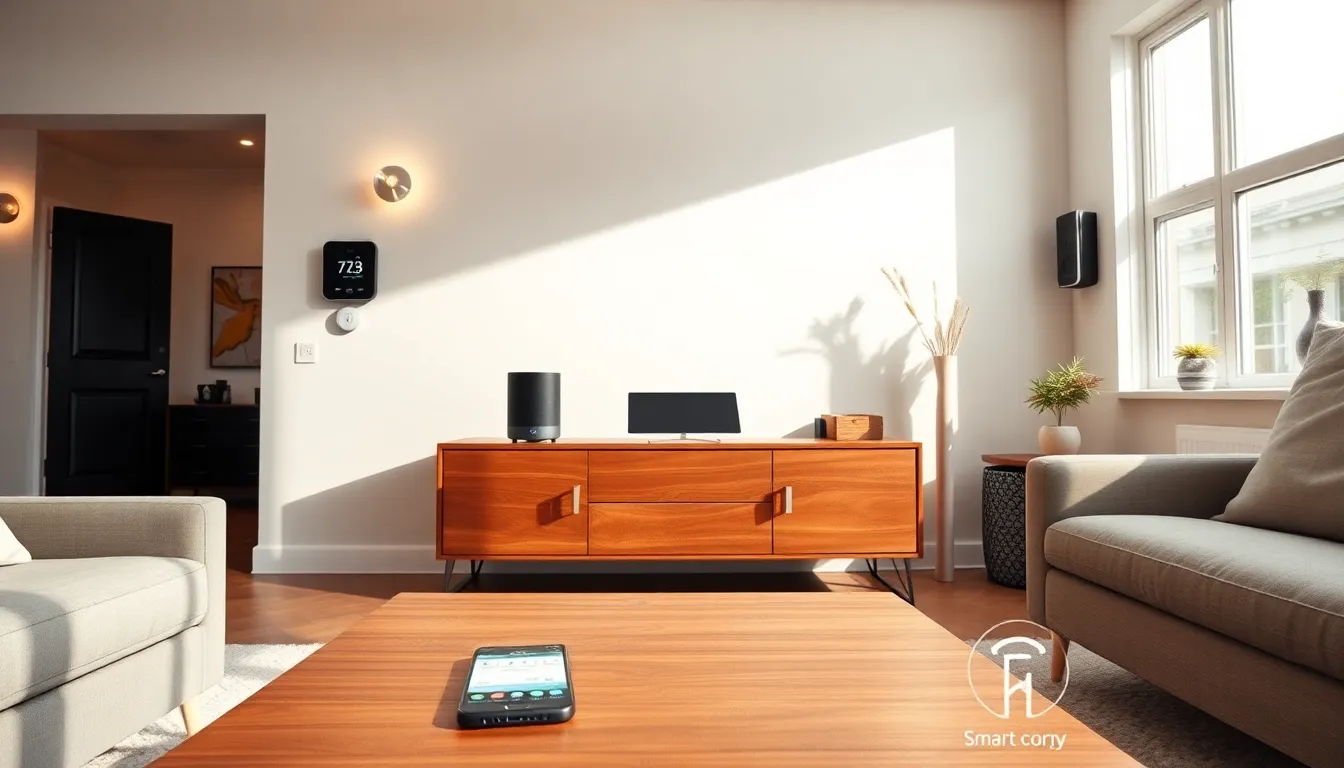
ToggleThe best smart home tech makes daily life easier, safer, and more efficient. From voice-controlled speakers to automated lighting, these devices connect through Wi-Fi or Bluetooth to create a unified living experience. Smart home technology has moved from luxury to mainstream, with millions of households now using at least one connected device.
This guide covers the top smart home tech categories worth considering in 2025. Readers will learn about smart speakers, lighting systems, security devices, and thermostats. The final section explains how to pick the right devices for any budget or lifestyle.
Key Takeaways
- Smart speakers like Amazon Echo, Google Nest, and Apple HomePod serve as the command center for the best smart home tech setups.
- Smart lighting systems save energy through automation and can deter burglars by simulating occupancy when you’re away.
- Smart thermostats offer the fastest return on investment, saving homeowners up to $50 annually on energy costs.
- Look for Matter-certified products to ensure compatibility across different brands and voice assistant ecosystems.
- Start small with a smart speaker and a few bulbs, then expand your smart home tech collection based on your needs and budget.
- Shop during Prime Day, Black Friday, or holiday sales to save 30% to 50% on smart home devices.
Smart Speakers and Voice Assistants
Smart speakers serve as the command center for most smart home tech setups. These devices respond to voice commands and control other connected gadgets throughout the house.
Amazon Echo devices run on Alexa and offer wide compatibility with third-party smart home tech. The Echo Dot provides an affordable entry point, while the Echo Studio delivers premium audio quality. Google Nest speakers use Google Assistant and integrate well with Android phones and Google services.
Apple’s HomePod Mini works best for iPhone users who want tight integration with their existing Apple ecosystem. It supports Siri commands and offers solid sound quality for its compact size.
Key Features to Consider
- Voice recognition accuracy: Look for speakers that understand commands even with background noise.
- Music streaming support: Most smart speakers connect to Spotify, Apple Music, Amazon Music, and other services.
- Multi-room audio: Higher-end models let users play music across multiple rooms simultaneously.
- Smart home hub capabilities: Some speakers include Zigbee or Thread radios to connect devices directly without extra hubs.
Prices range from $30 for basic models to $300 for premium options with superior audio.
Smart Lighting Solutions
Smart lighting represents one of the easiest upgrades in smart home tech. Users can control lights through apps, voice commands, or automated schedules.
Philips Hue remains the most popular smart lighting brand. Its bulbs connect through a dedicated bridge and offer millions of color options. The Hue ecosystem includes light strips, outdoor fixtures, and sync boxes for entertainment setups.
Wyze bulbs provide budget-friendly smart home tech without sacrificing core features. They connect directly to Wi-Fi and don’t require a separate hub. LIFX bulbs also skip the hub requirement and deliver bright, vivid colors.
Benefits of Smart Lighting
Smart lights save energy by turning off automatically when rooms are empty. Motion sensors and geofencing features detect when residents leave or arrive home. Dimming capabilities extend bulb life and reduce electricity costs.
Scheduled lighting can deter burglars by simulating occupancy during vacations. Some systems sync with sunrise and sunset times to adjust brightness naturally throughout the day.
A starter kit with four smart bulbs typically costs between $60 and $150, depending on the brand and features.
Smart Security Systems
Smart security systems protect homes while providing remote monitoring through smartphone apps. This category of smart home tech has grown rapidly as cameras and sensors become more affordable.
Ring offers a complete ecosystem of doorbells, cameras, and alarm systems. The Ring Video Doorbell shows visitors in real-time and stores footage in the cloud. Ring’s Alarm system includes door sensors, motion detectors, and optional professional monitoring.
Arlo cameras deliver excellent video quality with wire-free installation. Their battery-powered models work well for renters or anyone who wants flexible placement. Nest Cam products integrate seamlessly with other Google smart home tech.
Essential Security Components
- Video doorbells: See and speak with visitors from anywhere using a smartphone.
- Indoor and outdoor cameras: Record footage locally or in the cloud for later review.
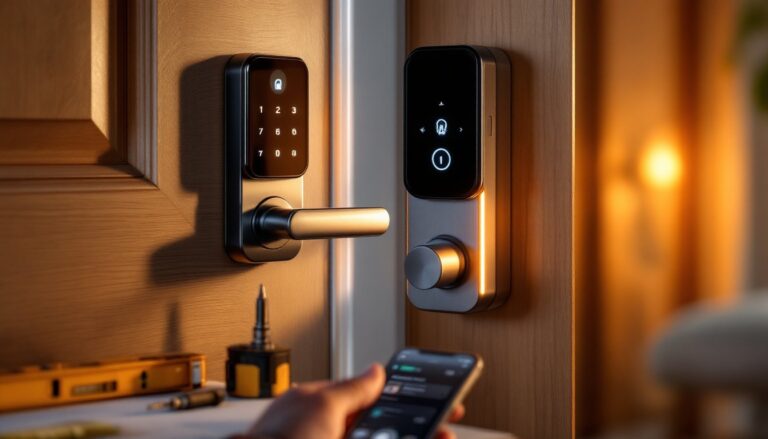
- Smart locks: Control door access through codes, fingerprints, or app commands. August and Schlage make popular options.
- Window and door sensors: Receive alerts when entry points open unexpectedly.
Many smart security systems work with existing smart speakers and voice assistants. Users can arm systems, check camera feeds, or lock doors using voice commands.
Basic camera setups start around $100, while comprehensive systems with monitoring run $200 to $500 annually.
Smart Thermostats and Climate Control
Smart thermostats learn household patterns and adjust temperatures automatically. This smart home tech category offers some of the fastest returns on investment through energy savings.
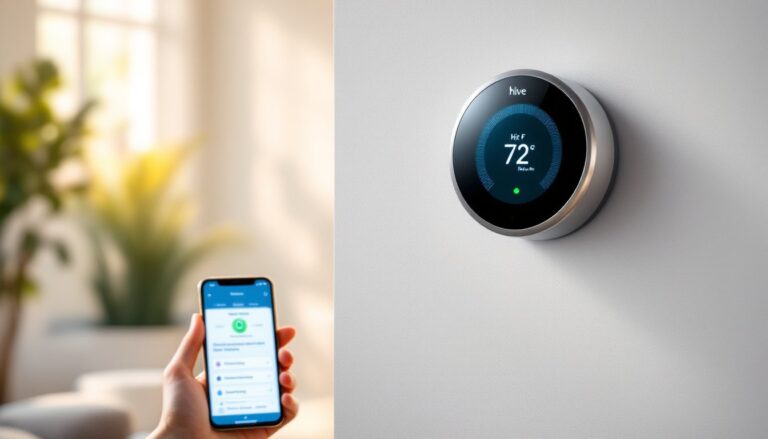
The Nest Learning Thermostat adapts to schedules within a week of installation. It detects when residents leave and enters an eco mode to save energy. Google’s integration means Nest works smoothly with other smart home tech in the Google ecosystem.
ecobee thermostats include remote sensors for monitoring multiple rooms. This feature helps balance temperatures in homes with hot or cold spots. The ecobee also has built-in Alexa capabilities.
Honeywell Home thermostats offer reliable performance with straightforward app controls. They support geofencing, scheduling, and integration with major smart home platforms.
Energy Savings Potential
The EPA estimates smart thermostats can save homeowners up to $50 annually on heating and cooling costs. Some utility companies offer rebates of $50 to $100 for installing qualified smart thermostats.
Smart thermostats typically cost between $130 and $250. Most homeowners recover the purchase price within two to four years through reduced energy bills.
How to Choose the Right Smart Home Devices
Selecting the best smart home tech depends on several factors: budget, existing devices, and specific needs.
Compatibility Matters
Check which voice assistant ecosystem fits best before buying. Amazon Alexa offers the widest device compatibility. Google Assistant provides strong integration with Android phones and Google services. Apple HomeKit delivers the tightest security but supports fewer third-party devices.
The Matter standard, launched in late 2022, helps devices from different brands work together. Look for Matter-certified products for better long-term compatibility.
Start Small and Expand
Beginners should start with one or two categories of smart home tech rather than overhauling everything at once. A smart speaker and a few smart bulbs make a practical starting point. Users can add security cameras, thermostats, and other devices over time.
Budget Considerations
Smart home tech spans a wide price range. Budget options from Wyze, TP-Link, and Amazon deliver solid performance under $50. Premium brands like Philips, Nest, and Arlo cost more but often provide better build quality and customer support.
Watch for sales during Prime Day, Black Friday, and holiday seasons. Smart home tech frequently sees discounts of 30% to 50% during these events.