Table of Contents
ToggleSmart home technology has moved beyond novelty into everyday necessity for homeowners looking to gain more control over their living spaces. Whether you’re upgrading an older house or building new, connected devices and automation systems offer tangible benefits that go far beyond convenience. From securing your doors remotely to cutting energy bills and freeing up hours each week, smart home tech works quietly in the background, or loudly via voice command, to make daily life simpler, safer, and more efficient. Understanding these benefits helps you make informed decisions about which systems are worth the investment and which projects make sense for your home.
Key Takeaways
- Smart home technology enhances security through connected video doorbells, smart locks, and cameras that let you monitor and control access to your home remotely while creating audit trails traditional keys cannot provide.
- Smart thermostats and connected lighting systems can reduce energy consumption by 10–15% for heating and cooling alone, with combined strategies often achieving 20–30% overall utility bill reductions.
- Automation routines and voice assistants transform daily tasks by grouping multiple device actions into single commands, saving significant time throughout your week and eliminating friction from repeated routines.
- Smart home devices enable personalization through individual user profiles and temperature zoning, allowing different family members to enjoy customized comfort settings automatically.
- Accessibility features like voice controls, automated locks, and motion-sensing lighting improve quality of life for elderly residents and people with mobility challenges without requiring costly renovations.
- Starting with one or two smart home devices addressing your top priorities, then expanding gradually, keeps implementation manageable while allowing you to learn the technology at your own pace.
Enhanced Security and Peace of Mind
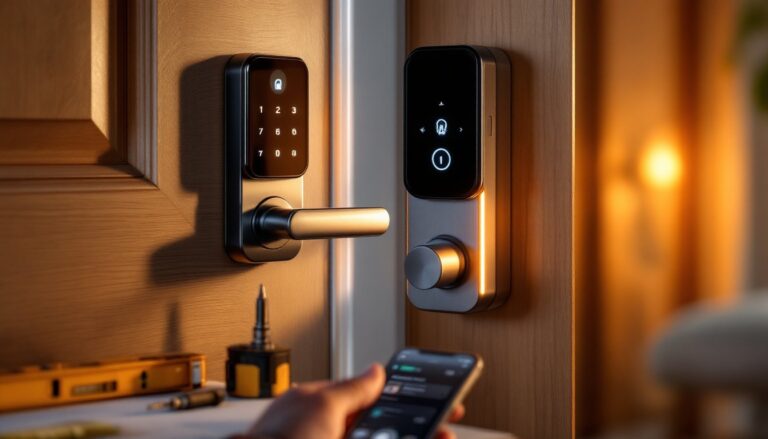
One of the most compelling reasons homeowners install smart home tech is security. Connected video doorbells, motion-sensor cameras, and smart locks let you monitor and control access to your home from anywhere, whether you’re at work, on vacation, or just stepping out to the grocery store. You can view live feeds in real time, receive instant alerts if motion is detected, and even speak to visitors remotely without opening the door.
Smart locks eliminate the need to hide spare keys under rocks or worry about lost copies floating around. You grant temporary access codes to contractors, housekeepers, or guests, then revoke access immediately after they leave. This audit trail, a log of who accessed your home and when, provides accountability that traditional keys never could.
Many homeowners combine these devices with smart alarm systems that arm or disarm automatically when they leave or arrive. Some systems integrate with local law enforcement or monitoring services, ensuring that a break-in triggers a rapid response. The psychological benefit of knowing your home is protected around the clock shouldn’t be underestimated either. That peace of mind is worth real money to most people.
Energy Efficiency and Cost Savings
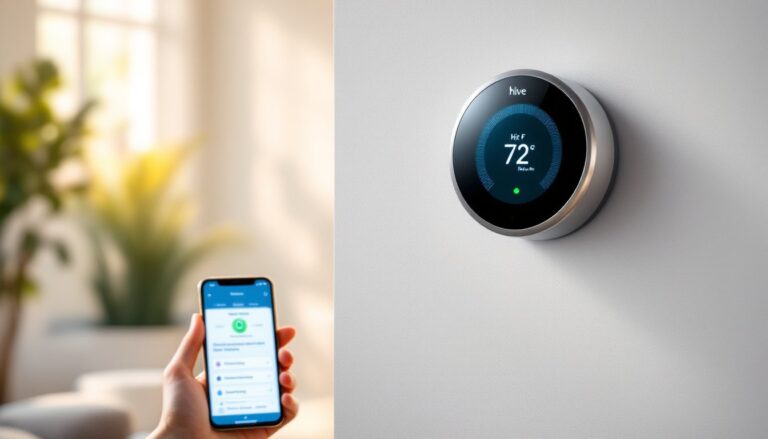
Smart thermostats are perhaps the most straightforward energy-saving device you can install. Units like programmable systems learn your habits and adjust heating or cooling automatically, reducing waste during hours when no one’s home. Studies show these devices can cut heating and cooling costs by 10–15% annually, savings that compound year after year and often pay for the thermostat in two to three years.
Beyond climate control, smart lighting systems let you schedule lights to turn off automatically when rooms are empty or adjust brightness based on natural daylight. Newer LED bulbs paired with smart controls use a fraction of the energy incurred by older fixtures. Smart power strips cut phantom loads, the electricity drawn by devices in standby mode, by cutting power entirely when connected devices aren’t in use.
Water heating is another area where connected tech shines. Smart water heater controls ensure you’re not maintaining a tank of hot water 24/7, and some systems can even detect leaks before they cause damage. When you combine smart controls for heating, cooling, lighting, and appliances, the compounding effect on your utility bill becomes substantial. Many homeowners report 20–30% reductions in overall energy consumption after fully implementing smart home strategies.
Convenience and Time Management
Automating Everyday Tasks
Imagine walking through your front door and having lights brighten automatically, your favorite music begin playing, and the thermostat adjust to your preferred temperature, all without lifting a finger. That’s what smart home automation delivers. Routines or scenes, programmable sequences of actions, handle multiple devices at once, turning what used to be five separate steps into a single command or even a completely hands-free trigger.
Smart home tech for beginners often starts with voice assistants like Amazon Alexa or Google Assistant, which let you control devices by talking. You can turn off lights while holding groceries, adjust the oven temperature from the living room, or start your coffee maker before getting out of bed. These conveniences might sound trivial, but they save real time over weeks and months.
Automation also reduces friction in routines you do daily. A morning scene can adjust lighting gradually, start brewing coffee, and unlock your garage door. An evening scene might lock all doors, set the alarm, dim lights, and lower the thermostat. Automated schedules keep outdoor lights running on sunset timers, eliminating the guesswork of when to turn them on and off. Parents appreciate being able to lock bedroom doors remotely at bedtime or check if kids are home when expected.
Improved Comfort and Lifestyle Quality
Customizing Your Home Environment
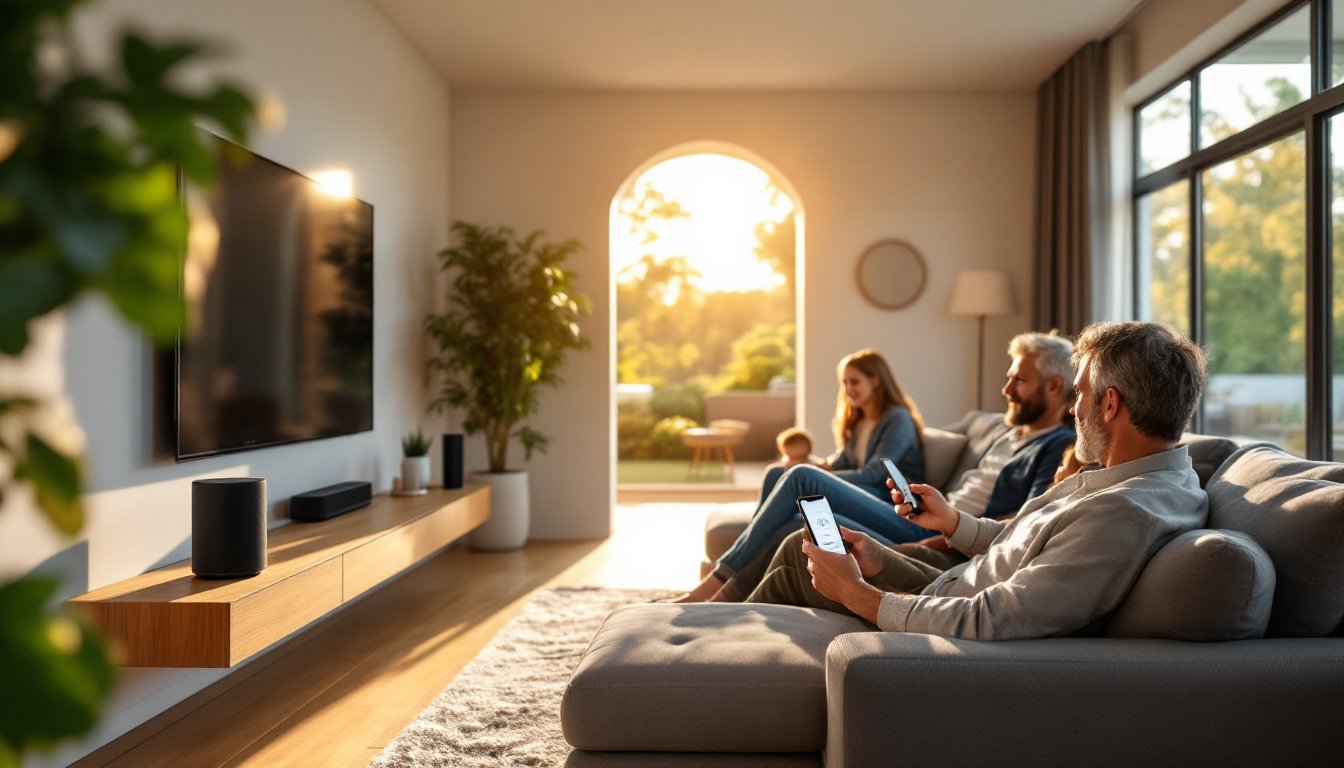
Your home should adapt to you, not the other way around. Smart home tech enables personalization at a level that older homes simply can’t match. Each family member can have a unique profile: when a parent arrives home, the lighting, music, and thermostat shift to that person’s preferences automatically. Kids walking in after school trigger a different scene than adults returning from work.
Temperature zoning, setting different temperatures in different rooms, becomes practical with smart thermostats and zone-control systems. You’re no longer locked into one setting for the entire house. Bedrooms can stay cool for sleeping while living areas remain comfortable, and basements stay separate from upstairs climates. Humidity control, integrated into some smart systems, keeps homes from becoming too dry in winter or clammy in summer.
Smart home tech strategies also improve accessibility for elderly residents or people with mobility challenges. Voice controls eliminate the need to reach light switches or thermostats. Automated door locks make entering and exiting easier. Lighting that responds to motion prevents falls in hallways or bathrooms at night. The quality-of-life improvements here extend independence and dignity, which matters far more than cost savings alone.
MusicCultureDisplay systems, integrated smart speakers, and multi-room audio let you enjoy your favorite content seamlessly throughout your home. Outside entertainment like patio speakers, outdoor lighting, and even motorized awnings can be controlled from your phone, transforming how you use outdoor spaces. These aren’t luxuries, they’re tools that make your home work harder for you and your family.
Conclusion
Smart home technology delivers measurable benefits across security, energy savings, convenience, and comfort. The best approach is to start with one or two devices that address your highest-priority needs, whether that’s a smart lock, thermostat, or camera, then expand from there. This phased approach lets you learn the technology without overwhelming yourself and keeps costs manageable. The real power emerges when devices work together through automation, turning your house into a responsive, efficient living space that anticipates your needs and adapts to your lifestyle.