
Table of Contents
ToggleCombining solar panels with smart home automation isn’t just a trend, it’s a practical way to cut energy costs while reducing your environmental footprint. A solar smart home system lets you generate your own electricity and manage its use in real-time through connected devices. Whether you’re installing a few smart sensors or a complete solar-integrated setup, this technology can reduce your energy bills significantly. The appeal is clear: fewer utility charges, better control over home systems, and the satisfaction of running a greener household. This guide walks you through what a solar smart home actually is, the real benefits you’ll see, and how to get started without getting overwhelmed.
Key Takeaways
- A solar smart home system combines PV panels with connected devices to automatically optimize energy consumption, potentially reducing electricity costs by 50–80% annually.
- Smart thermostats, energy monitors, and solar-integrated water heaters are high-impact devices that can cut HVAC costs by 10–15% and boost overall savings by 20–30% beyond solar alone.
- Most residential solar systems pay for themselves in 6–10 years, with federal tax credits covering 30% of costs through 2032, plus additional state and local incentives.
- Time-of-use (TOU) pricing and smart controls enable you to charge devices, run appliances, and heat water during peak solar production hours or off-peak utility rates, maximizing your savings.
- Over a 25-year panel lifespan, a residential solar smart home avoids 100–150 tons of CO₂ emissions while providing real-time energy management through a central home energy management system (HEMS).
- Start with a licensed solar installation, then layer in smart devices incrementally, beginning with an energy monitor and thermostat to understand your consumption patterns before expanding further.
What Is a Solar Smart Home?
A solar smart home combines rooftop photovoltaic (PV) panels with connected devices that automatically monitor and optimize your energy consumption. Think of it as your house learning to manage power use on its own. Solar panels generate electricity from sunlight, while smart home devices, thermostats, lighting controls, power monitors, and appliances, respond to real-time energy availability and pricing.
The “smart” part works through a home energy management system (HEMS). This system tracks how much solar power you’re generating, how much you’re using, and what your battery is storing if you have one. Smart devices communicate with this central hub and adjust their behavior accordingly. For example, your smart water heater might heat water when the sun is strongest and abundant solar power is flowing, then use less power during cloudy hours.
Most systems rely on a solar inverter, the device that converts DC power from panels into usable AC electricity for your home. A modern smart inverter sends real-time data to your phone and lets you see exactly where your power is going. Some homeowners skip the battery entirely (grid-tie systems) and send excess power back to the utility in exchange for credits. Others install a battery bank (typically 10–15 kWh lithium-ion) to store solar energy for evening use or backup power. The choice depends on your goals, budget, and how much energy independence you want.
Key Benefits of Solar Smart Home Systems
Cost Savings and ROI
The math is straightforward: fewer kilowatt-hours from the grid means a smaller utility bill. Most solar systems pay for themselves in 6–10 years depending on your location, electricity rates, and sun exposure. A well-designed solar smart home can shave 50–80% off your annual electricity costs. When you add smart controls, you optimize that savings further by shifting energy use to peak solar production hours.
Battery storage extends the payoff. Instead of exporting excess afternoon power to the grid at wholesale rates (often 3¢–5¢ per kWh), you store it and use it at night when grid rates are higher (sometimes 20¢–40¢ depending on time-of-use pricing). Federal tax credits, the Residential Clean Energy Tax Credit currently covers 30% of system costs through 2032, also reduce upfront investment significantly. State and local incentives vary, so check your regional programs before committing.
Environmental Impact
Solar electricity generates zero emissions during operation. Over a typical 25-year panel lifespan, a single residential system avoids roughly 100–150 tons of CO₂ emissions, equivalent to not driving a car for decades. When paired with smart devices that eliminate waste (no heating empty rooms, no lights left on), you cut your household’s carbon footprint even further.
Beyond your home, widespread solar adoption reduces demand for fossil fuel power plants, lowering grid emissions overall. Manufacturers are also improving solar recycling: most modern panels are 95% recoverable when they eventually reach end-of-life. A solar smart home setup supports both personal savings and broader climate goals without requiring lifestyle sacrifices.
Essential Smart Home Devices for Solar Integration
Not every smart device works with solar, but several categories pair perfectly with a PV system. Start with a smart energy monitor (such as Tesla Powerwall, Enphase, or SolarEdge). This is your central dashboard, showing generation, consumption, and storage in real-time. Most connect via app and alert you when systems need attention.
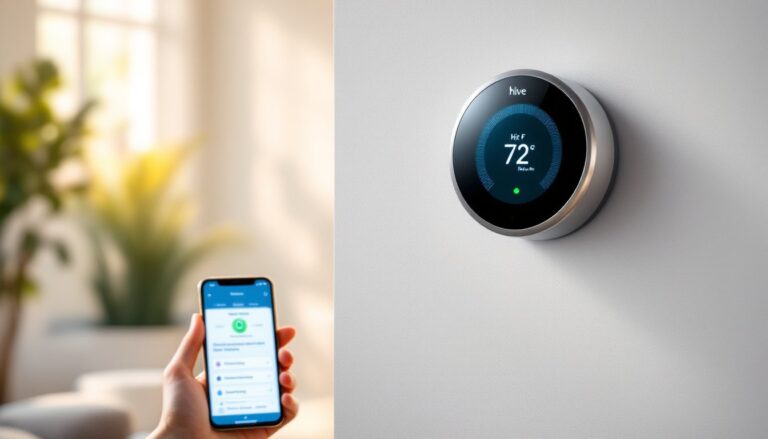
A smart thermostat (like Nest or Ecobee) learns your comfort preferences and shifts heating/cooling to align with solar output. If your system generates excess power at 2 p.m., the thermostat can pre-cool or heat your home so you’re using that free solar energy. These devices typically cut HVAC costs by 10–15%.
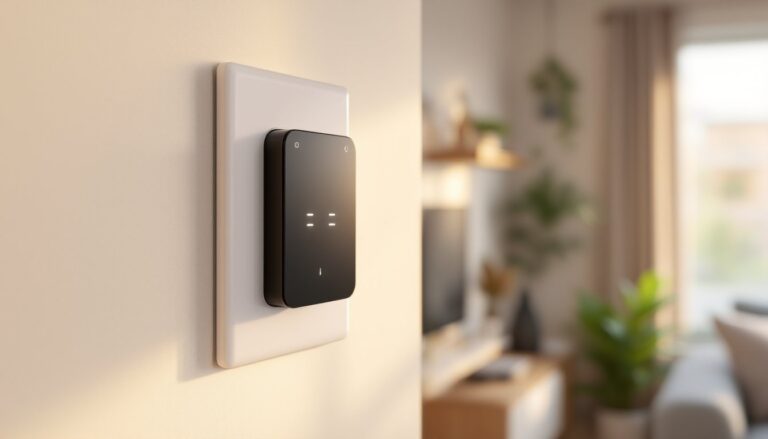
Smart lighting with occupancy sensors and dimming saves energy and works seamlessly with solar. Use them to turn off lights in unused rooms automatically. Pairing them with a smart switch lets you schedule them for daylight hours when you’re using solar power.
Smart water heaters and heat pump water heaters are game-changers. They can be programmed to heat water during peak solar hours when costs are lowest. A heat pump model is more efficient than resistance heating and pairs excellently with solar systems.
Smart plugs and outlets let you monitor and control individual appliances. Plug your EV charger into a smart outlet so it charges during peak solar production, and you’re essentially “free” charging when conditions align. According to real-world experiments, homeowners using integrated smart controls see 20–30% additional savings beyond what solar alone provides.
Getting Started: Installation and Setup Basics
Install solar first, smart second. This is crucial. You need the solar foundation before adding smart controls. Hire a licensed solar installer (not a DIY job for most homeowners, permitting, electrical codes, and roof structural loads require professionals). Installation typically takes 3–5 days. Your installer will handle interconnection with the utility, which takes another 4–8 weeks for approvals.
Once your system is live and producing power, add smart devices incrementally. Start with an energy monitor to see your baseline consumption. Then layer in one or two high-impact devices, usually a smart thermostat and a battery if you’re buying one. This phased approach prevents overwhelm and lets you understand each component before adding more.
Setup involves connecting your smart devices to your home Wi-Fi network and linking them to your solar system’s inverter or monitoring platform. Most modern inverters (from SolarEdge, Enphase, or Tesla) have built-in smart home compatibility. You’ll download manufacturer apps and create user accounts. Some systems integrate with Amazon Alexa or Google Home for voice control, though you don’t need that for functionality.
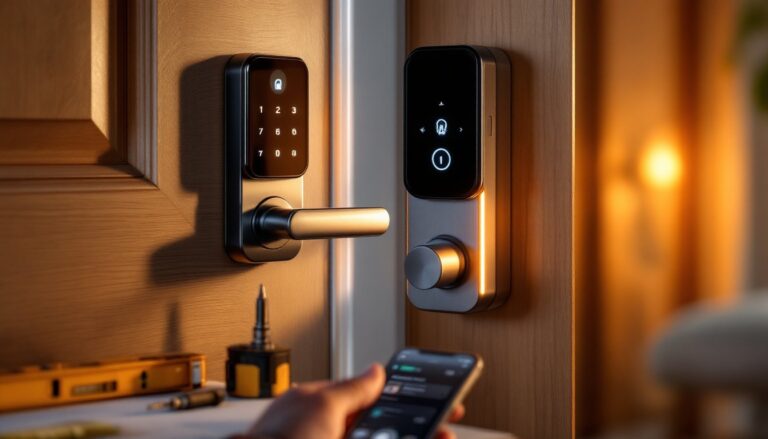
Permits and inspections are mandatory for solar installation. Your local building department will inspect the electrical work, grounding, and roof mounting before the utility gives final approval. Costs vary by jurisdiction but expect $500–$2,000 in permitting fees. Smart device installation is usually DIY, most mount on walls or in existing electrical boxes, but if you’re uncomfortable with any wiring, hire a licensed electrician for a few hours of labor.
Maximizing Your Solar Smart Home Efficiency
Data is your tool. Most solar + smart home systems provide real-time energy dashboards. Check them weekly to understand your consumption patterns. You’ll notice which appliances and times of day use the most power. Many homeowners discover that shifting one load, like laundry, to midday solar hours cuts usage significantly.
Use time-of-use (TOU) rates to your advantage if your utility offers them. TOU pricing charges different rates depending on the time of day. Off-peak hours (often 9 p.m.–6 a.m.) cost less: peak hours (typically 4 p.m.–9 p.m.) cost more. Smart controls automatically shift loads: charge your EV during off-peak, run the dishwasher at midnight, use solar generation during the day. Some utilities reward grid-connected batteries with special programs where they buy your stored power during peak hours. These demand-response programs can pay back battery costs faster.
Maintenance is minimal but important. Solar panels need cleaning 2–4 times yearly in dusty areas (more if you live near a dirt road or industrial area). Most manufacturers recommend a gentle rinse with a soft brush: pressure washing can damage the coating. Smart devices rarely need maintenance beyond software updates, which most systems handle automatically.
Integration is key. According to recent reviews, homes that fully integrate their systems, inverter talking to thermostat, thermostat talking to battery, see 30–40% better efficiency than those with separate, unconnected devices. Ensure devices use compatible protocols. Most modern systems use Zigbee or Wi-Fi, so check compatibility before buying.
Finally, track your ROI. Most solar systems come with lifetime app access showing cumulative savings. Review it annually. Many homeowners see payback in 6–8 years, then enjoy 17–19 years of nearly free electricity. Adding smart controls typically shortens payback by 1–2 years, so the upfront cost is worth it.