Table of Contents
ToggleSmart home tech has changed how people interact with their living spaces. These connected devices let homeowners control lighting, security, temperature, and entertainment through smartphones, voice commands, or automated schedules. The global smart home market is expected to reach $338 billion by 2030, showing just how quickly this technology is becoming mainstream.
But what is smart home tech, exactly? At its core, it refers to any device or system in a home that connects to the internet and can be remotely controlled or automated. From voice assistants like Alexa to smart thermostats that learn daily routines, these gadgets aim to make life more convenient, efficient, and secure. This guide breaks down how smart home technology works, explores common device types, and helps beginners decide if connected living is right for them.
Key Takeaways
- Smart home tech refers to internet-connected devices that automate and remotely control lighting, security, temperature, and entertainment in your home.
- The technology relies on three components: smart devices, connectivity protocols (Wi-Fi, Zigbee, Z-Wave), and a central hub or app for unified control.
- Popular smart home devices include voice assistants, smart thermostats, security cameras, smart lighting, and smart plugs—with thermostats potentially saving $50-180 annually on energy costs.
- Key benefits of smart home tech include everyday convenience, improved energy efficiency, enhanced security, and greater accessibility for elderly or disabled users.
- Before investing, consider potential drawbacks like privacy concerns, internet dependency, device compatibility issues, and the initial learning curve.
- Beginners should start small, choose one ecosystem (Alexa, Google, or Apple), prioritize account security, and plan for future expansion.
How Smart Home Technology Works
Smart home tech relies on three main components: devices, connectivity, and a central hub or app.
First, there are the devices themselves, thermostats, cameras, speakers, locks, and more. Each device contains sensors and processors that collect data and execute commands.
Second, these devices connect to a home network, usually through Wi-Fi, Bluetooth, Zigbee, or Z-Wave protocols. Wi-Fi offers wide range and fast speeds. Zigbee and Z-Wave use less power and work well for battery-operated sensors.
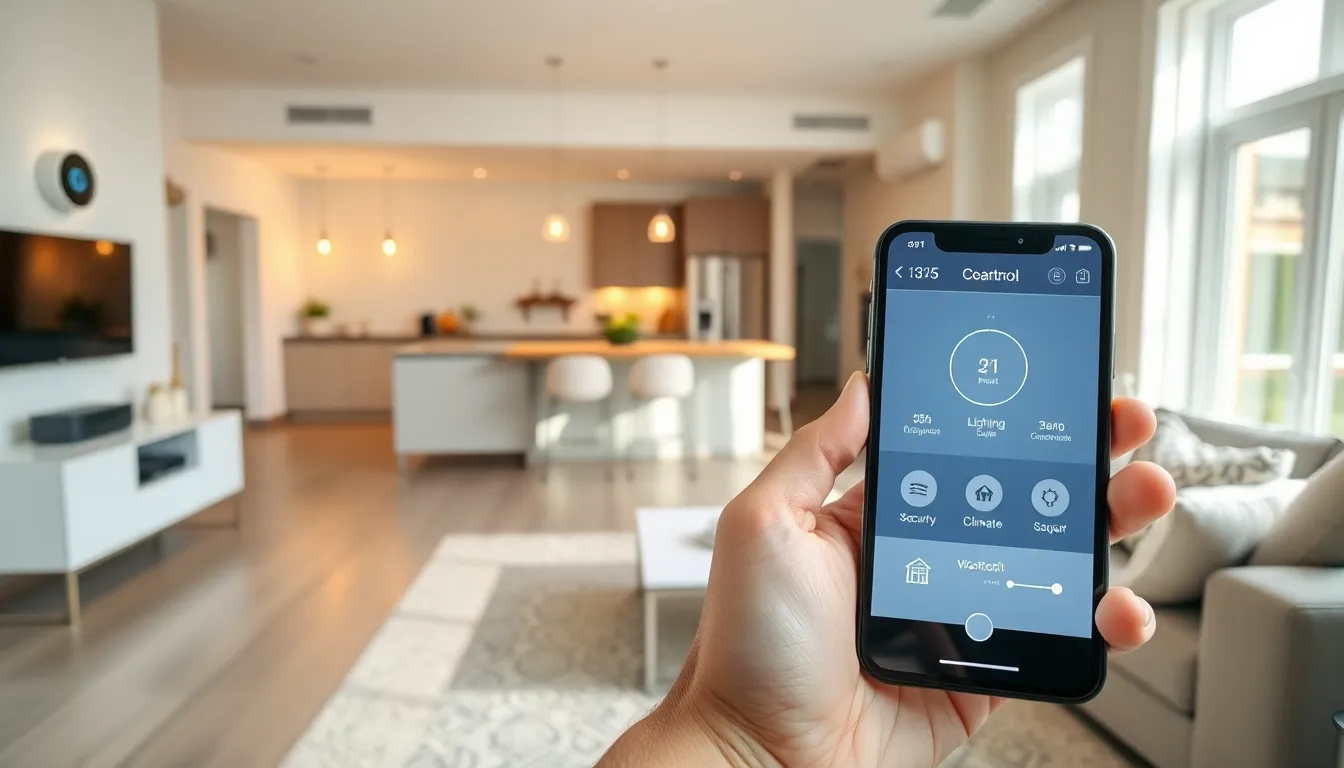
Third, a central hub or smartphone app ties everything together. Some systems, like Apple HomeKit or Samsung SmartThings, act as command centers. Users can control multiple devices from one interface. Voice assistants like Amazon Alexa, Google Assistant, and Apple Siri add hands-free control.
Automation is where smart home tech really shines. Homeowners can create “routines” or “scenes” that trigger multiple actions at once. For example, a “Good Morning” routine might turn on lights, start the coffee maker, and read the day’s weather forecast, all from a single voice command.
Most smart home devices also use cloud computing. This means they process data on remote servers rather than locally. Cloud connectivity enables remote access, so users can check security cameras or adjust the thermostat from anywhere with an internet connection.
Common Types of Smart Home Devices
Smart home tech spans dozens of product categories. Here are the most popular types beginners encounter:
Smart Speakers and Voice Assistants
Devices like Amazon Echo, Google Nest, and Apple HomePod act as the brain of many smart homes. They respond to voice commands, play music, answer questions, and control other connected devices.
Smart Thermostats
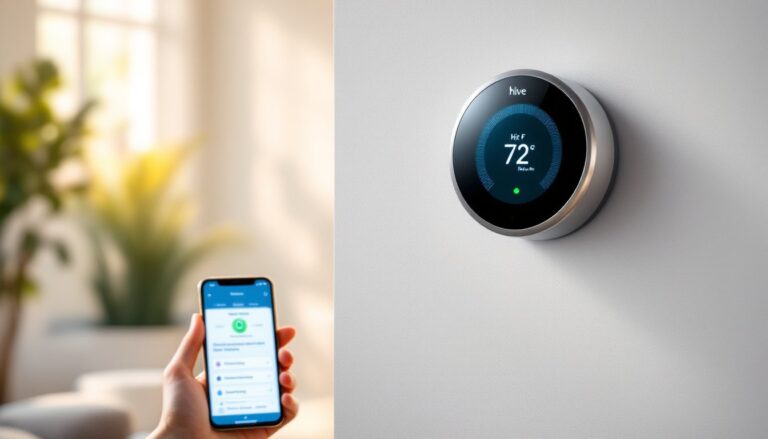
Products like the Nest Learning Thermostat and Ecobee learn household schedules and adjust temperatures automatically. Many users report energy savings of 10-15% after installation.
Smart Lighting
Smart bulbs and switches from brands like Philips Hue and LIFX let users dim lights, change colors, and set schedules. Motion-activated lighting adds convenience and security.
Smart Security Systems
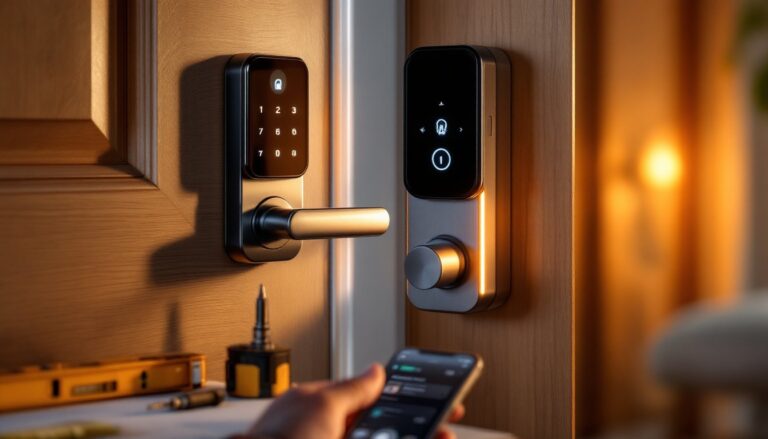
Video doorbells (Ring, Nest), security cameras, and smart locks give homeowners peace of mind. Many systems send instant alerts to smartphones when motion is detected.
Smart Plugs and Outlets
These affordable devices turn ordinary appliances into smart ones. Plug in a lamp or fan, and suddenly it’s controllable via app or voice.
Smart Appliances
Refrigerators, washers, dryers, and ovens now come with Wi-Fi connectivity. Some refrigerators even track grocery inventory and suggest recipes.
Smart Entertainment
Streaming devices, smart TVs, and multi-room audio systems let users control entertainment throughout the home with voice commands or a single app.
Benefits of Smart Home Technology
Why are millions of people investing in smart home tech? The benefits fall into four main categories.
Convenience
Smart home tech removes friction from daily tasks. Forgot to lock the door? Check and lock it from a phone. Want to preheat the oven on the drive home? Done. Voice control means users don’t even need to get off the couch to adjust lights or play music.
Energy Efficiency
Smart thermostats and lighting systems reduce energy waste. They turn off when rooms are empty and optimize usage based on patterns. The U.S. Department of Energy estimates smart thermostats can save households $50-180 per year on heating and cooling.
Security and Safety
Smart cameras, doorbells, and locks deter intruders and provide evidence if something goes wrong. Smoke and carbon monoxide detectors can send alerts directly to phones, even when homeowners are away. Water leak sensors catch problems before they cause major damage.
Accessibility
For elderly individuals or those with disabilities, smart home tech offers independence. Voice control eliminates the need to reach light switches. Automated routines handle repetitive tasks. Video doorbells let users see visitors without walking to the door.
Potential Drawbacks to Consider
Smart home tech isn’t perfect. Buyers should weigh these concerns before diving in.
Privacy Concerns
Connected devices collect data, sometimes a lot of it. Voice assistants record commands. Cameras capture video. This data often sits on company servers. Users should review privacy policies and enable security features like two-factor authentication.
Internet Dependency
Most smart home tech requires a stable internet connection. If the Wi-Fi goes down, many devices lose functionality. Some products offer local control as a backup, but not all.
Compatibility Issues
Not all devices work together. A smart bulb designed for Google Home might not sync with Apple HomeKit. Before buying, users should check compatibility with their existing ecosystem.
Cost
Quality smart home tech can be expensive. A full smart home setup, thermostat, locks, cameras, speakers, lighting, might cost $1,000 or more. But, prices have dropped significantly in recent years, and budget options exist.
Learning Curve
Setting up and configuring smart devices takes time. Troubleshooting connection issues can frustrate less tech-savvy users. Patience is required during the initial setup phase.
Getting Started With Your Smart Home
Building a smart home doesn’t require a massive investment or technical expertise. Here’s a practical approach for beginners.
Start Small
Pick one or two devices that solve a real problem. Maybe it’s a smart thermostat to lower energy bills, or a video doorbell for package security. Starting small keeps costs manageable and prevents overwhelm.
Choose an Ecosystem
Decide early whether to build around Amazon Alexa, Google Assistant, or Apple HomeKit. Sticking with one ecosystem ensures devices work together smoothly. Switching later can be frustrating and expensive.
Prioritize Security
Use strong, unique passwords for all smart home accounts. Enable two-factor authentication wherever possible. Keep device firmware updated to patch vulnerabilities.
Read Reviews
Before purchasing any smart home tech, check reviews from trusted sources. Look for feedback on reliability, ease of setup, and long-term performance.
Plan for Expansion
Think about future additions when choosing a hub or ecosystem. A system that supports many device types and brands offers more flexibility as the smart home grows.