Table of Contents
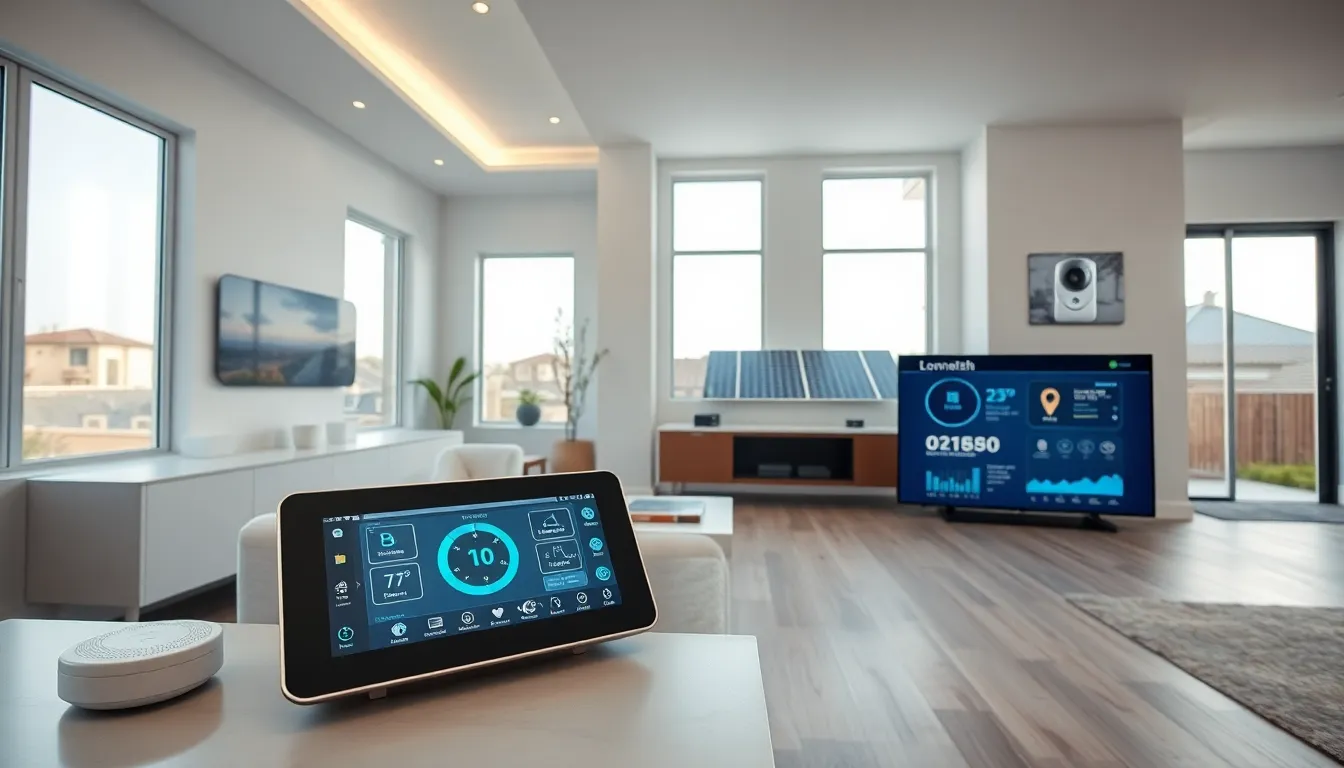
ToggleSmart home tech trends 2026 are shaping up to transform how people live, work, and interact with their living spaces. The industry has moved past simple voice commands and basic automation. Homes are becoming intelligent environments that learn, adapt, and respond to their occupants’ needs in real time.
This year brings significant advances across artificial intelligence, energy efficiency, security, and device connectivity. Homeowners can expect smarter systems that require less manual input and deliver more personalized experiences. From AI that predicts your preferences to security features that protect both your home and your data, 2026 marks a turning point for residential technology. Here’s what’s coming.
Key Takeaways
- Smart home tech trends 2026 center on predictive AI that anticipates household needs rather than just reacting to commands.
- Energy management systems now integrate solar, smart thermostats, and water monitoring to reduce utility costs and environmental impact.
- Voice assistants handle complex multi-step commands while gesture controls offer a privacy-friendly alternative that works locally.
- On-device AI processing and end-to-end encryption address long-standing security and privacy concerns in smart homes.
- The Matter 2.0 protocol enables seamless interoperability, letting consumers mix device brands without compatibility issues.
- Local processing reduces cloud dependency, improving response times and ensuring devices work during internet outages.
AI-Powered Home Automation Gets Smarter
Artificial intelligence sits at the center of smart home tech trends 2026. Machine learning algorithms have advanced to the point where home systems genuinely understand household patterns. They don’t just follow schedules, they anticipate needs.
Modern AI hubs analyze data from dozens of sensors throughout the home. They learn when residents wake up, when they typically leave for work, and how they prefer their lighting in different rooms. The system adjusts heating before you get out of bed. It dims lights automatically as evening approaches.
Predictive automation represents the biggest shift. Smart home systems in 2026 can detect subtle changes in behavior and adjust accordingly. If someone stays home sick, the system notices the break in routine and maintains comfortable temperatures throughout the day. If guests arrive, it can sense additional occupancy and modify climate settings.
These AI improvements also extend to appliance coordination. Your refrigerator communicates with your smart display to suggest recipes based on available ingredients. Your washing machine starts during off-peak energy hours without any input from you. The smart home tech trends 2026 show AI moving from reactive to proactive.
Enhanced Energy Management and Sustainability
Energy management has become a priority for smart home manufacturers and consumers alike. Smart home tech trends 2026 reflect growing concern about utility costs and environmental impact.
Solar integration has improved dramatically. Smart inverters now communicate directly with home battery systems and the electrical grid. They determine the optimal times to store energy, use it, or sell it back to utilities. Homeowners can track their energy production and consumption through intuitive apps that provide clear data visualization.
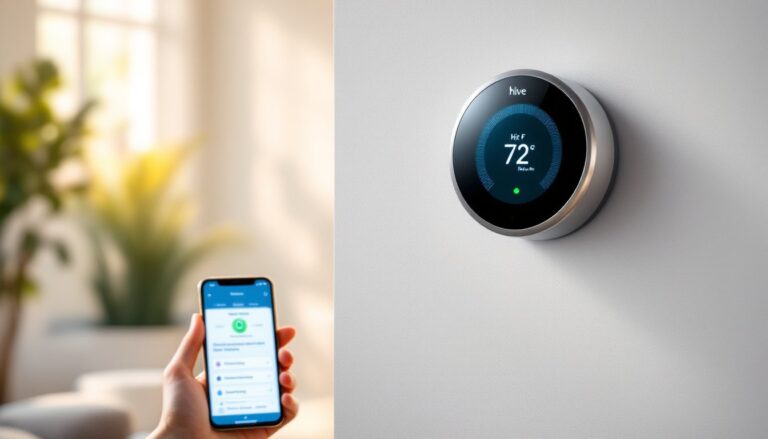
Smart thermostats have evolved beyond simple temperature scheduling. Current models factor in local weather forecasts, electricity pricing, and even air quality indexes. They balance comfort with efficiency in ways that weren’t possible two years ago.
Water management systems have also gained traction. Smart irrigation controllers use soil moisture sensors and weather predictions to minimize waste. Leak detection systems can identify problems early and automatically shut off water supply to prevent damage. Some systems even monitor water heater efficiency and suggest maintenance before problems occur.
These smart home tech trends 2026 align with broader sustainability goals. Manufacturers are designing products with recyclable materials and longer lifespans.
Next-Generation Voice and Gesture Controls
Voice assistants have been around for years, but smart home tech trends 2026 show major improvements in how they understand and respond to users. Natural language processing has reached a point where conversations feel less robotic and more intuitive.
New voice systems handle complex, multi-step commands without confusion. You can say, “Turn off the kitchen lights, lock the back door, and set the thermostat to 68 degrees,” and the system executes each task accurately. Context awareness means the assistant remembers previous requests and builds on them.
Gesture control is emerging as a serious alternative to voice commands. Cameras and sensors can now recognize hand movements with high accuracy. Wave your hand to pause music. Point toward a light to dim it. These features prove especially useful in noisy environments or when you don’t want to disturb others.
Privacy-conscious users appreciate that gesture systems can operate locally without sending data to external servers. This addresses a long-standing concern about always-listening devices.
Multi-modal interaction combines voice, gesture, and touch seamlessly. Smart home tech trends 2026 emphasize flexibility, users choose how they want to interact based on the situation.
Improved Security and Privacy Features
Security concerns have driven many improvements in smart home tech trends 2026. Manufacturers have responded to consumer demand for better protection of both physical homes and personal data.
Video doorbells and security cameras now feature on-device AI processing. This means facial recognition and package detection happen locally rather than in the cloud. Homeowners maintain control over their footage while still getting intelligent alerts.
End-to-end encryption has become standard across most smart home devices. Data transmitted between sensors, hubs, and smartphones stays protected from interception. Two-factor authentication is no longer optional, it’s built into setup processes.
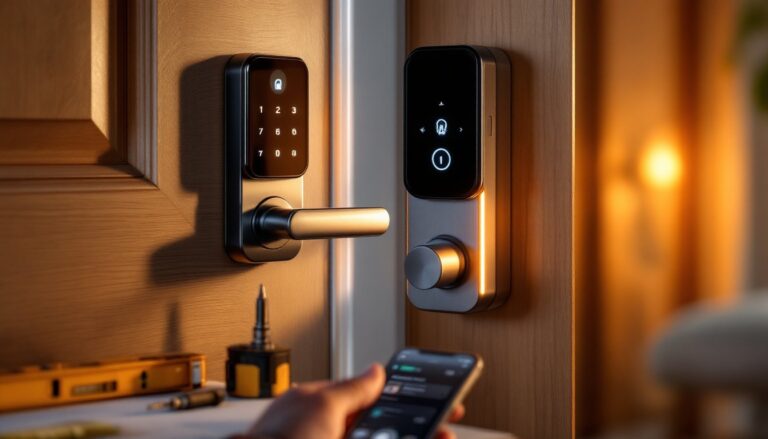
Physical security has also advanced. Smart locks in 2026 offer biometric options including fingerprint and facial recognition. Some models include tamper detection that alerts homeowners to potential break-in attempts.
Network security features help protect the entire smart home ecosystem. Dedicated smart home routers can isolate IoT devices from computers and phones. If a vulnerable device gets compromised, the damage stays contained.
These smart home tech trends 2026 show manufacturers taking security seriously after years of criticism about weak protections.
Seamless Device Interoperability
The Matter protocol has matured significantly, and smart home tech trends 2026 reflect its widespread adoption. Devices from different manufacturers now work together without compatibility headaches.
Matter 2.0 expanded the standard to include more device categories. Cameras, robot vacuums, and major appliances now fall under its umbrella. Consumers can mix brands freely and expect smooth integration.
Setup processes have simplified considerably. New devices often require just scanning a QR code. The smart home hub recognizes the device, adds it to the network, and configures basic settings automatically.
Thread networking provides the underlying mesh connectivity for many smart home devices. It offers low-power operation and reliable communication even in larger homes. Devices act as network nodes, extending coverage throughout the property.
Cloud dependency has decreased as more processing happens locally. This improves response times and ensures devices continue functioning even during internet outages. Smart home tech trends 2026 prioritize reliability alongside connectivity.
The ecosystem approach benefits consumers most. They’re no longer locked into single-brand solutions. Competition drives innovation while interoperability ensures compatibility.