Table of Contents
ToggleSmart home tech examples range from voice-controlled speakers to self-adjusting thermostats, and they’re changing how people interact with their living spaces. These devices automate daily tasks, improve energy efficiency, and add convenience that was once the stuff of science fiction. Whether someone wants to dim the lights without leaving the couch or monitor their front door from another continent, smart home technology delivers practical solutions for modern life. This guide covers the most popular smart home tech examples available today, explaining what each device does and why it matters.
Key Takeaways
- Smart home tech examples range from voice-controlled speakers to self-adjusting thermostats, automating daily tasks and improving energy efficiency.
- Smart speakers like Amazon Echo and Google Nest serve as affordable entry points and can control multiple devices with a single voice command.
- Smart thermostats can reduce heating and cooling costs by 10-15% annually, often paying for themselves within one to two years.
- Smart security devices—including video doorbells, cameras, and smart locks—protect homes and install easily without permanent modifications.
- Smart plugs offer a budget-friendly way to make any standard appliance controllable via voice or app for around $15.
- Combining multiple smart home tech examples creates compounding time savings by automating repetitive tasks throughout the house.
Smart Speakers and Voice Assistants
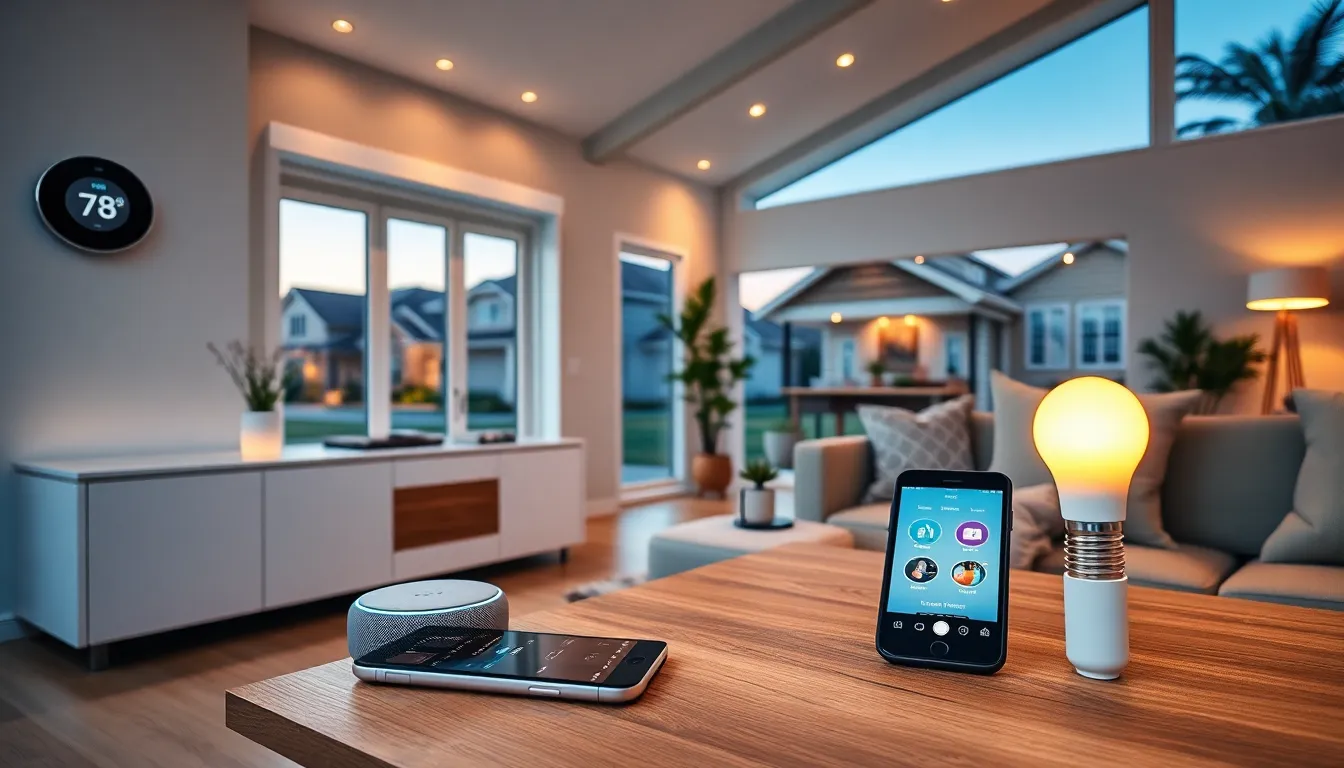
Smart speakers sit at the center of many connected homes. Devices like Amazon Echo, Google Nest, and Apple HomePod respond to voice commands and control other smart home tech examples throughout the house.
These speakers do more than play music. They set timers, answer questions, read the news, and make calls. Users can ask their voice assistant to add items to a shopping list or check the weather forecast. The real power comes from integration. A single voice command can turn off lights, lock doors, and start a robot vacuum simultaneously.
Voice assistants learn user preferences over time. They recognize different household members by voice and provide personalized responses. Someone might ask for their calendar while another family member requests a favorite playlist. The device knows who’s speaking and responds accordingly.
Popular options include:
- Amazon Alexa – Works with the widest range of third-party devices
- Google Assistant – Excels at answering questions and web searches
- Apple Siri (HomePod) – Best for households already using Apple products
Smart speakers typically cost between $30 and $300, depending on audio quality and display features. They serve as an affordable entry point into smart home tech examples for beginners.
Smart Lighting Systems
Smart lighting systems give users complete control over their home’s ambiance. These smart home tech examples include bulbs, switches, and light strips that connect to smartphones or voice assistants.
Philips Hue remains the most recognized brand, but LIFX, Wyze, and Govee offer competitive alternatives at lower price points. Users can adjust brightness, change colors, and set schedules from anywhere with an internet connection.
The benefits extend beyond convenience. Smart lights can:
- Simulate occupancy when homeowners travel
- Wake users gradually with sunrise-mimicking routines
- Sync with movies or music for entertainment
- Reduce energy bills by turning off automatically when rooms empty
Motion sensors add another layer of automation. Lights turn on when someone enters a room and shut off after they leave. This feature proves especially useful in hallways, bathrooms, and garages.
Installation varies by product. Smart bulbs screw into existing fixtures and work immediately. Smart switches require basic electrical work but control any bulb connected to that circuit. Most users find bulbs easier for apartments and switches better for permanent installations.
Smart lighting represents one of the most visible smart home tech examples because the results are immediate and dramatic. Changing a room’s color temperature from cool white to warm amber transforms the atmosphere instantly.
Smart Thermostats and Climate Control
Smart thermostats learn household patterns and adjust temperatures automatically. These smart home tech examples save money while keeping homes comfortable year-round.
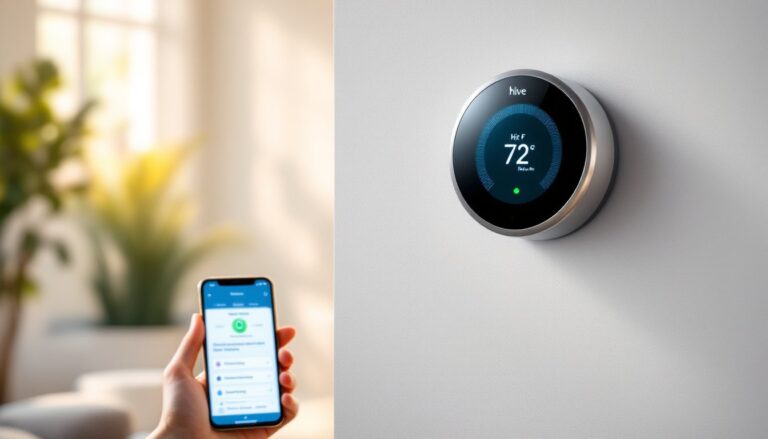
The Nest Learning Thermostat pioneered this category. It tracks when residents leave for work, when they return, and what temperatures they prefer. After a week or two, the device creates a schedule without manual programming.
Ecobee thermostats include room sensors that detect occupancy and temperature in multiple areas. The system prioritizes comfort in occupied rooms rather than heating or cooling empty spaces. This approach prevents the common problem of one room being too hot while another stays too cold.
Key features across most smart thermostats include:
- Remote control via smartphone apps
- Energy usage reports and savings estimates
- Integration with voice assistants
- Geofencing that adjusts temperature based on phone location
- Compatibility with most HVAC systems
The Department of Energy estimates that smart thermostats can reduce heating and cooling costs by 10-15% annually. For many households, the device pays for itself within one or two years.
Installation typically takes 30 minutes for those comfortable with basic wiring. Most manufacturers provide step-by-step video guides. Professional installation usually costs $75-150 for anyone who prefers expert help.
Smart thermostats rank among the most practical smart home tech examples because they deliver measurable financial returns alongside daily convenience.
Smart Security and Surveillance Devices
Smart security devices protect homes and provide peace of mind. These smart home tech examples include video doorbells, cameras, smart locks, and comprehensive alarm systems.
Video doorbells from Ring, Nest, and Eufy let homeowners see and speak with visitors remotely. The camera activates when someone approaches, sending a notification to the owner’s phone. Package theft drops significantly when delivery drivers know they’re being recorded.
Indoor and outdoor cameras monitor property around the clock. Modern smart home tech examples in this category offer:
- 1080p or 4K video resolution
- Night vision capabilities
- Two-way audio communication
- Cloud or local storage options
- Person, pet, and vehicle detection
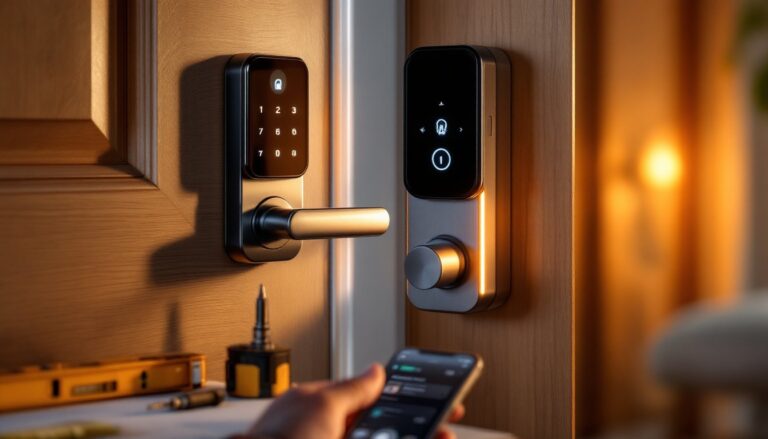
Smart locks eliminate the need for physical keys. Homeowners can unlock doors remotely for guests, service workers, or family members who forgot their keys. Temporary access codes expire after a set period. Activity logs show exactly when each person entered.
Comprehensive systems from SimpliSafe, ADT, and Abode combine sensors, cameras, and professional monitoring. Entry sensors detect when doors or windows open. Glass break sensors respond to the specific sound frequency of shattering glass. Smoke and carbon monoxide detectors integrate with the same app.
These smart home tech examples appeal to renters and homeowners alike because many devices install without permanent modifications.
Smart Appliances for Everyday Convenience
Smart appliances handle routine tasks with minimal human input. These smart home tech examples include robot vacuums, smart plugs, connected kitchen devices, and automated pet feeders.
Robot vacuums from iRobot, Roborock, and Ecovacs map home layouts and clean on schedules. Higher-end models empty their own dustbins and mop hard floors. Users return home to clean floors without lifting a finger.
Smart plugs convert any standard device into a connected one. A $15 plug can make a coffee maker, fan, or lamp controllable via voice or app. Schedules turn devices on and off automatically. Energy monitoring plugs track electricity usage and identify power-hungry appliances.
In the kitchen, smart home tech examples include:
- Smart refrigerators that track expiration dates and suggest recipes
- Connected ovens that preheat remotely and monitor cooking progress
- Smart coffee makers that brew automatically each morning
- Instant Pot and air fryer models with app-based recipe guides
Pet owners appreciate automated feeders that dispense precise portions on schedule. Cameras let them check on pets during the day. Smart water fountains ensure fresh, filtered water remains available.
These appliances share a common benefit: they handle repetitive tasks so people can focus on other priorities. The time savings compound quickly when multiple smart home tech examples work together throughout the house.