Table of Contents
ToggleYour front door’s lock is one of the most critical security components of your home, yet many homeowners still rely on traditional keyed cylinders that haven’t fundamentally changed in decades. A euro cylinder smart lock bridges the gap between traditional security hardware and modern convenience, letting you unlock your door with your smartphone, a PIN code, or even a biometric scan, while keeping your door just as secure as before. If you’re considering a smart lock upgrade but aren’t sure whether a euro cylinder model fits your needs, this guide walks you through everything you need to know about selecting, installing, and maintaining one.
Key Takeaways
- A euro cylinder smart lock retrofits your existing door hardware without requiring full door replacement, offering smartphone, PIN, or biometric access while maintaining traditional security standards.
- Smart cylinders eliminate mechanical vulnerabilities through encryption and authentication, plus provide access logging so you know exactly when and how someone unlocked your door.
- Temporary guest access codes, automatic expiration, and instant access revocation from your phone make euro cylinder smart locks ideal for rental properties, Airbnb hosts, and busy households.
- Before purchasing, measure your cylinder size (typically 30mm or 35mm), verify compatibility with your lock type, and confirm integration with your smart home ecosystem like Apple HomeKit or Google Home.
- Installation is a straightforward weekend DIY project—just remove the old cylinder, check dimensions carefully, and route any internal wiring to avoid interference with door operation.
- Consider battery life (6–12 months for most models), connectivity type (Bluetooth for simplicity, Wi-Fi or Zigbee for range), and weather sealing if your door faces heavy rain or salt air.
What Is a Euro Cylinder Smart Lock?
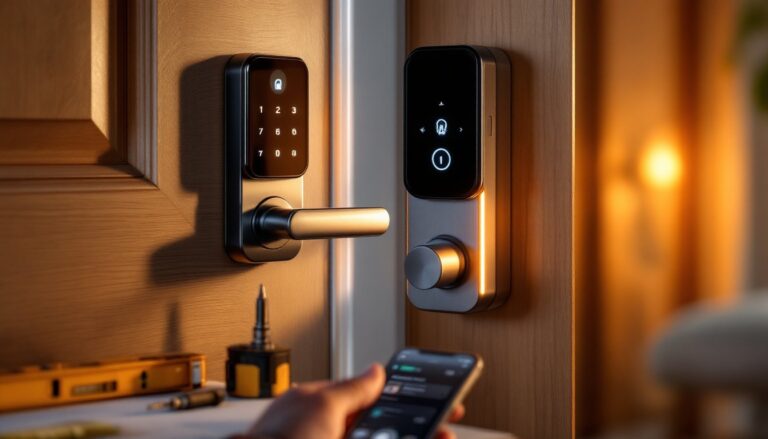
A euro cylinder smart lock is a retrofit-compatible lock mechanism that replaces the traditional pin tumbler cylinder on your existing door hardware. Unlike full-door replacement smart locks, a euro cylinder unit slides into your current lock body, whether it’s a mortise lock, a deadbolt, or a rim lock, making it one of the least invasive ways to add smart home technology to your entrance.
The euro cylinder (also called a euro profile cylinder or profile cylinder) is standardized across Europe and increasingly popular in North America because it works with almost any existing door hardware that uses the same 30mm or 35mm sizing. The smart portion includes wireless connectivity (usually Bluetooth, Wi-Fi, or Zigbee), a battery-powered motor, and a control module that drives the cylinder plug to lock and unlock. You keep your existing door frame, hinges, and strike plate, no re-hanging required.
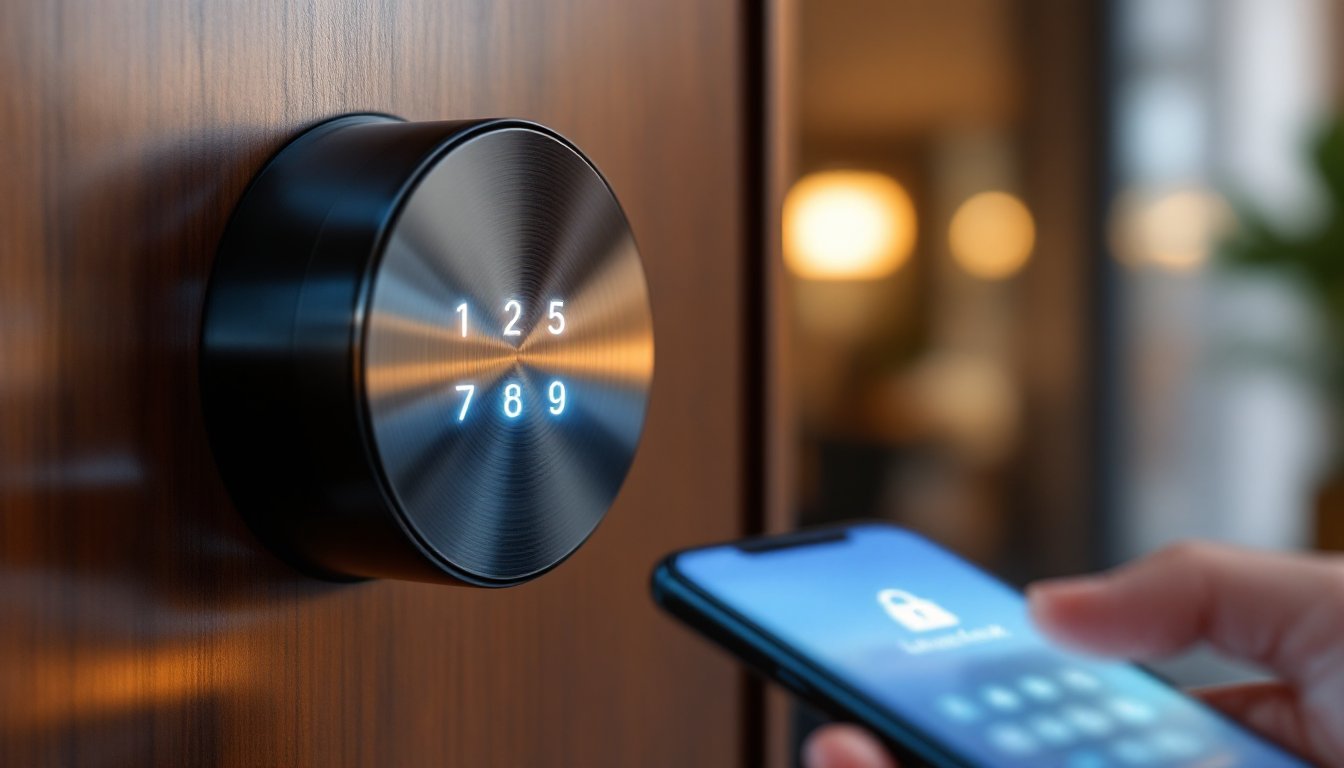
When you approach your door, you can unlock it via smartphone app, a PIN pad on the cylinder itself, or a RFID/NFC key card or fob. Some models retain a traditional key override for emergencies or backup access, while others rely entirely on electronic access. This flexibility makes euro cylinders appealing to renters, property managers, and homeowners who don’t want to install permanent modifications.
Key Benefits of Installing a Euro Cylinder Smart Lock
Enhanced Security and Access Control
A euro cylinder smart lock eliminates the weakness of traditional pin-and-tumbler vulnerabilities. Picking or bumping a mechanical lock is a known risk: a smart cylinder relies on encryption and authentication rather than physical key geometry. Many models offer keyless entry logging, so you see every time someone unlocked your door and from where, invaluable if you need to share access with a cleaner, contractor, or family member and want to verify they actually showed up.
Guest access codes can be temporary. You generate a PIN or digital key for a plumber coming Tuesday afternoon, and it automatically expires at 6 p.m. that day. No copying keys, no wondering whether you got them back. You can revoke access instantly from your phone if plans change. For rental properties or Airbnb hosts, this level of control cuts down on key-management headaches and improves occupant safety.
Convenience and Remote Management
The smartphone app interface lets you check your lock status from anywhere. If you left the house and can’t remember whether you locked the door, unlock it and lock it again from your office or vacation. Some models integrate with home automation platforms like Apple HomeKit, Google Home, or Alexa, so you can tie your lock to other smart devices, unlock automatically when your phone approaches, or as part of an evening routine that also arms your security system and turns off lights.
No more fumbling for keys in the dark or managing multiple keychains. Family members, houseguests, or service providers each get their own access method tailored to their needs. Parents can set time-based access for teenagers: contractors get a one-time PIN. The audit trail means you always know who accessed your home and when, turning your lock into a quiet security camera for physical access. For busy households, that peace of mind is worth the investment.
How to Choose the Right Euro Cylinder Smart Lock for Your Home
Before buying, confirm your door’s lock type and cylinder size. Most euro cylinders come in 30mm or 35mm outside dimensions: measure from the edge of your door to the center of the cylinder to determine the correct size. Pull your current cylinder if possible and check any markings, or contact the lock manufacturer. Buying the wrong size wastes time and money.
Consider your connectivity preference. Bluetooth is the most common and battery-efficient for single-door locks, but it requires your smartphone to be nearby or a home hub for remote access. Wi-Fi models work over your home network and some offer cloud-based apps, but they draw more power. Zigbee requires a hub (often bundled with smart home platforms) but offers excellent range and low battery drain. Ask yourself: Do you need remote access from anywhere in the world, or just from your phone when you’re nearby? That drives your choice.
Battery life matters. Most smart cylinders run on 4–8 AA or AAA batteries and last 6–12 months depending on usage. Some models show battery percentage in the app: others rely on low-battery warnings. A few premium options include rechargeable batteries or even solar charging. Check if the model notifies you before the batteries die, so you’re not caught locked out.
Compatibility with your smart home ecosystem is crucial. If you use Apple HomeKit, make sure the cylinder is HomeKit-certified. Same for Google Home or Alexa integrations. Not all smart locks work with all platforms, and retrofitting can be messy if the system doesn’t talk to your other devices. Read user reviews on tech sites like CNET for real-world compatibility reports, especially if you’re mixing older and newer devices.
Decide whether you need a built-in keypad or PIN entry on the cylinder itself. Some models have a small touchpad on the exterior: others rely only on the app or a separate PIN pad mounted next to the door. Built-in pads are more compact and weatherproof but can be slower to enter codes. Separate pads give more flexibility but add cost and wiring complexity.
Finally, check whether the model works with your lock’s deadbolt vs. standard keyed knob. Some cylinders fit only mortise locks: others work with rim cylinders or euro-profile deadbolts. Compatibility charts are usually in the product manual or on the manufacturer’s website. If you’re unsure, email the manufacturer with a photo of your lock.
Installation and Compatibility Considerations
Installation is generally a weekend DIY job, but a few things need attention. First, remove power from any electronic lock components before you start, and back up your access codes or authentication keys to a password manager. If something goes wrong during the swap, you don’t want to be locked out.
To replace the cylinder, you typically need to remove the escutcheon (the metal trim ring around the cylinder hole) and then unscrew the lock body from the inside. Some locks have a small retaining pin or clip: consult your specific lock’s documentation before tugging. Once the old cylinder is out, measure and confirm the new unit’s dimensions and pin configuration before inserting it. A slight misalignment can jam the mechanism.
Some smart cylinders require a small power supply or control module mounted inside the door frame or jamb. Run the wiring carefully so it doesn’t interfere with the door’s closing or opening. If your door has a hollow frame, you can often route cables through the existing gap: solid doors may need a small surface-mounted conduit or cable channel. This isn’t load-bearing structural work, so no permit is needed, but sloppy wiring can cause future headaches.
Compatibility with your existing door hardware depends on the lock body. A mortise lock with a standard euro cylinder socket is the easiest swap. Rim cylinders also usually fit modern smart cylinders, but knob locks are trickier, some smart cylinders won’t fit because the knob’s cylinder housing is too small or oddly shaped. Before buying, compare your lock body’s dimensions with the smart cylinder’s specs. If there’s doubt, take a photo and email the manufacturer: they’ve seen hundreds of door types and can usually say yes or no within an hour.
Weather sealing is important for exterior doors. Most smart cylinders have gaskets or O-rings to keep moisture out, but check the manual for weatherproofing details. If you live in a region with heavy rain, snow, or salt air, pay special attention to reviews from users in similar climates. Compare top models on Tom’s Guide’s smart lock reviews to see how different units hold up in practice, including durability and long-term reliability in various weather conditions.
After installation, test the lock thoroughly, lock and unlock via app, via PIN pad, via any backup key, and via RFID card or fob if included. Ensure the door closes and opens freely, and that the lock doesn’t interfere with the deadbolt’s throw or the door’s latch. If you’re integrating with a smart home hub, test automation routines (e.g., “unlock when I arrive home”) to confirm they work as expected. This upfront testing saves frustration later.
Conclusion
A euro cylinder smart lock offers a practical way to modernize your home security without replacing your entire door hardware. By choosing the right model for your lock type, connectivity needs, and smart home platform, you gain both convenience and control. Take time to measure your cylinder, confirm compatibility, and follow installation instructions carefully, most installs take an hour or two and require only basic tools. With proper setup and maintenance, a smart cylinder becomes an invisible part of your home that works hard to keep your family safe.