Table of Contents
ToggleIf you’re shopping for a smart thermostat, you’ve probably heard the name Ecobee pop up more than once. With heating and cooling accounting for nearly half of most home energy bills, upgrading to an intelligent thermostat makes real financial sense. But there’s a crowded market out there, and not every device lives up to the hype. This guide breaks down what Ecobee thermostats actually deliver, their standout features, real-world performance, installation reality, and whether the price tag aligns with the value. Whether you’re a serious DIYer tackling the installation yourself or planning to hire help, you’ll know exactly what to expect before clicking “buy.”
Key Takeaways
- Ecobee smart thermostat reviews highlight the bundled ecosystem approach, with built-in voice control and seamless integration with Alexa, HomeKit, and Google Home preventing lock-in to a single platform.
- Remote room sensors included with many Ecobee models automatically balance temperature variations across multi-story homes and older layouts, delivering more accurate climate control than single-wall thermostats.
- Real energy savings from Ecobee thermostats typically range from 10–15% annually when paired with active app engagement and behavior adjustments, translating to $100–200 per year for most households.
- Installation takes 30–45 minutes for standard heating and cooling setups with a common wire, but older systems or complex zoning require a licensed HVAC technician to avoid safety risks.
- Mid-to-premium pricing ($250–$400+) becomes more justified when factoring in bundled features like voice control and room sensors, utility rebates ($50–200), and long-term value across 8–10 years of reliable service.
- Ecobee’s true benefit depends on user engagement—the thermostat itself doesn’t magically save energy, but transparent app data and energy reporting help homeowners identify and adjust inefficient usage patterns.
What Makes Ecobee Thermostats Stand Out in the Smart Home Market
Ecobee has carved out a reputation in the smart thermostat space by focusing on practical features rather than unnecessary complexity. Unlike some competitors that prioritize aesthetics over function, Ecobee builds products that homeowners actually use regularly.
The standout differentiator is Ecobee’s bundled approach to smart home integration. Rather than selling a thermostat in isolation, the company treats it as a hub within a broader ecosystem. Many Ecobee models include built-in voice control and work seamlessly with major platforms like Amazon Alexa, Apple HomeKit, and Google Home. This interconnectedness matters if you’re already invested in one platform or planning to expand your smart home over time.
Another key strength is the remote room sensor that comes with several Ecobee models. Unlike standard thermostats that rely on a single temperature reading from the wall unit, Ecobee sensors placed in other rooms provide a more accurate picture of your home’s climate. If your bedroom stays 3 degrees cooler than your living room, a common issue in older homes or multi-story layouts, Ecobee’s system can balance that out automatically.
Ecobee also prioritizes learning patterns without overselling what machine learning can do. The thermostat tracks your schedule and adjusts temperatures predictively, but the system is transparent about its actions. You’re not left wondering why your heating kicked on at 2 a.m.: you can see the logic in the app.
Key Features and Performance Overview
Voice Control and Smart Home Integration
Built-in Alexa functionality on most Ecobee models means you can adjust temperatures by voice without a separate device taking up outlet space. This convenience genuinely matters during winter mornings or when your hands are full. The voice control works reliably for common commands, “Alexa, set the temperature to 72”, and integration with routines lets you automate temperature changes tied to other smart home actions.
Ecobee’s compatibility with HomeKit is straightforward for Apple users, and integration with Alexa and Google Home feels native rather than bolted-on. This flexibility prevents you from being locked into a single ecosystem, which is smart long-term thinking for a thermostat you’ll own for 10+ years.
Energy Savings and Cost Efficiency
Real energy savings depend entirely on your current setup and behavior. If you’re replacing a manual thermostat or an older programmable unit, Ecobee can deliver meaningful reductions, often in the 10–15% range according to user reports. That translates to roughly $100–200 per year for many households, though numbers vary significantly by climate, home insulation, and how disciplined you were with the old thermostat.
The app provides detailed energy reports breaking down usage by day and time, which helps identify patterns. You’ll see if your heating runs excessively during unoccupied hours, and you can adjust schedules or temperature setpoints accordingly. The data is presented clearly without the marketing fluff that some competitors layer on. According to independent testing by CNET on smart thermostat performance, Ecobee thermostats consistently achieve reported energy reductions when paired with user engagement. But, the thermostat itself doesn’t magically save energy, the app and visibility are the real tools. You still need to adjust behaviors.
Installation and User Experience
Installation difficulty depends almost entirely on your current thermostat’s wiring. If you have a standard setup, heating and cooling with a common wire available, expect 30–45 minutes of straightforward work. Ecobee includes clear wiring diagrams in the box, and their app walks you through the process step-by-step with photos.
Here’s the honest part: if your home has an older heating system, no common wire, or a complex zoning setup, you’ll likely need a licensed HVAC technician. Misdiagnosing wiring on a heating system can disable your heat in January, so know your limits. Don’t let YouTube confidence override safety judgment.
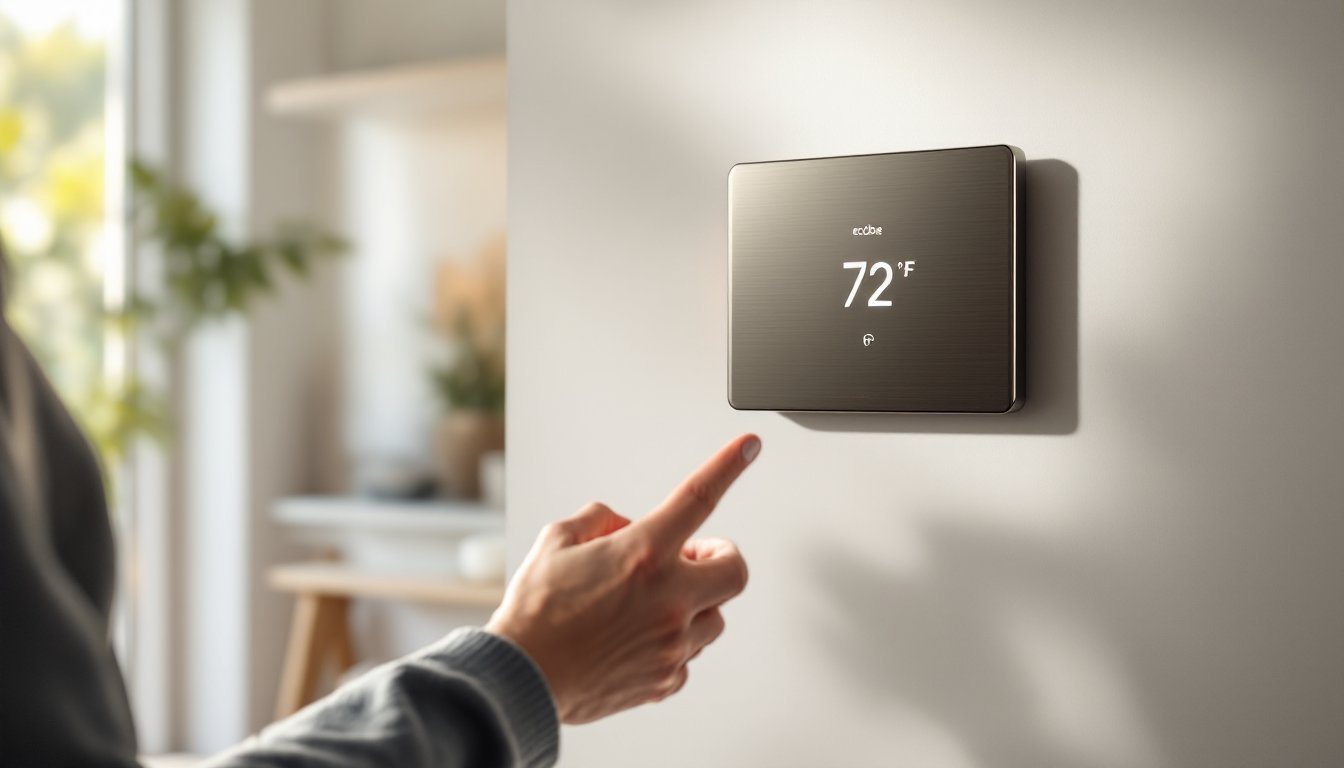
Once installed, the user experience is where Ecobee shines. The physical touchscreen responds quickly, the app is intuitive, and scheduling feels less like programming a VCR. Settings are organized logically, temperature presets in one place, integrations in another, without overwhelming menus. Setup of smart home integrations takes minutes, not hours. According to Tom’s Guide’s detailed review, the installation process and user interface rank among Ecobee’s strongest points, though the physical display is smaller than some competing models. For most homeowners, this is a negligible tradeoff against the overall usability gains.
Pricing and Value for Homeowners
Ecobee models range from roughly $250 for a basic unit without voice control to $400+ for fully featured versions bundled with room sensors. That positions Ecobee in the mid-to-premium range, above budget smart thermostats but below some boutique brands.
The justification comes down to what you’re actually paying for. The built-in voice control eliminates the need for a separate Alexa device (value: $50–100). Room sensors, if included, represent another $40–80 in hardware cost if purchased separately. So the true incremental cost of Ecobee versus a cheaper competitor often shrinks when you factor in bundled features.
Many energy utilities offer rebates for smart thermostat installation, typically $50–200 depending on your region. Some internet providers also incentivize smart home upgrades. It’s worth checking your utility’s website or calling directly before purchase: those credits can meaningfully reduce effective cost. The Ecobee models with room sensors tend to have stronger rebate eligibility because they deliver more measurable energy performance.
Long-term value is solid. Ecobee’s software updates are reliable, the company maintains app support across iOS and Android without constant platform changes, and the hardware rarely fails (most units last 8–10 years of reliable service). When you divide the cost across that lifespan, annual expense is modest for a device managing half your home energy use. Digital Trends’ roundup of smart thermostats places Ecobee in the strong-value category overall, particularly when factoring in bundled features and integration breadth.
Conclusion
Ecobee smart thermostats deliver genuine value for homeowners committed to understanding their energy usage and willing to use the tools provided. They’re not a set-it-and-forget-it solution, the real benefits come from engagement with the app, sensor data, and willingness to adjust habits. If you want practical smart home integration, transparent energy reporting, and a system that plays nicely with other platforms, Ecobee is a solid choice. Assess your current setup for installation complexity, check for utility rebates, and decide whether bundled features justify the premium price for your specific situation.